Thursday, 29 May 2025

Thinking of Getting a Westie? 7 Key Things to Know


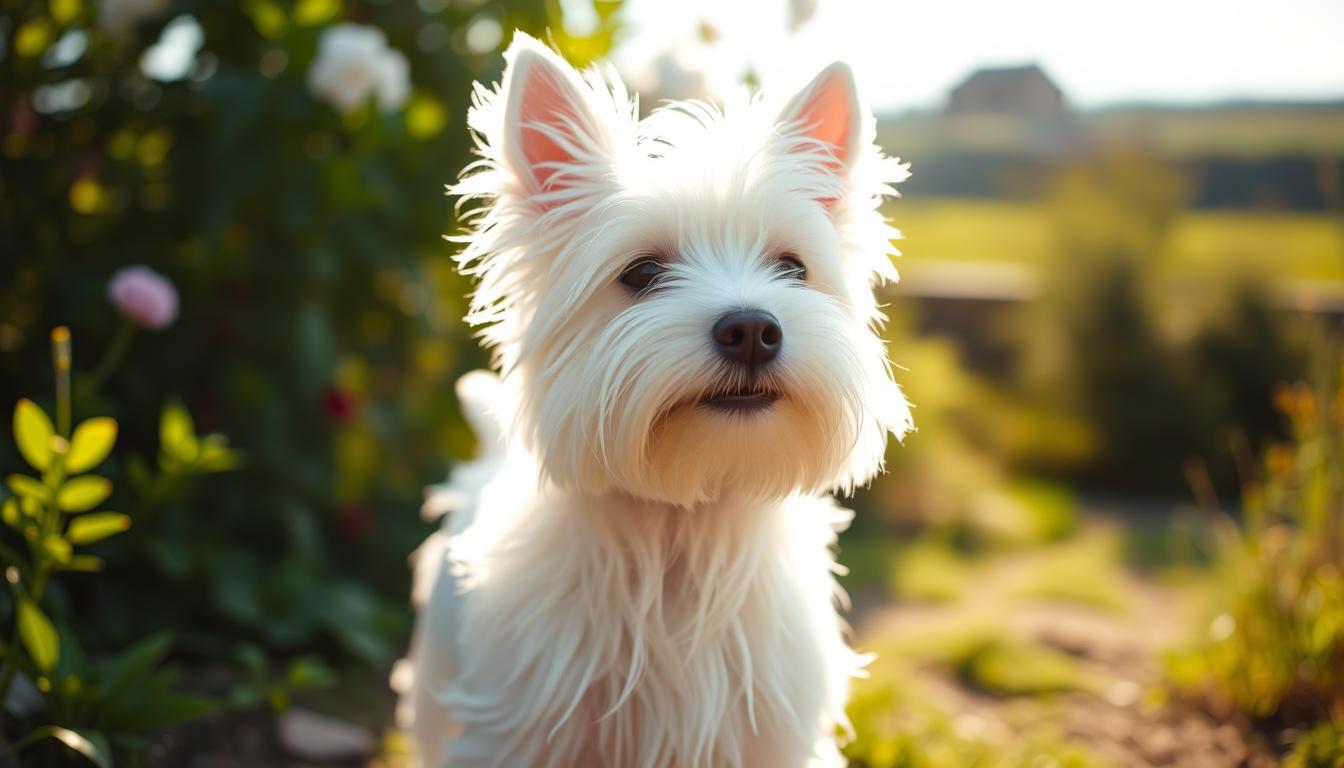
Thinking of getting a West Highland White Terrier? It's key to know their needs and traits. Westies are small and full of life. They make great pets but need the right care.
Thinking of Getting a Westie? 7 Things You Need to Know

Are you ready to be a pet owner? You must be ready to give your new pet love and care. We'll look at important things to think about when getting a Westie. This includes their exercise, grooming, training, and socialising.

Key Takeaways

  • Understand the characteristics and needs of the West Highland White Terrier breed.
  • Consider the exercise and grooming requirements for your Westie.
  • Learn about the importance of training and socialisation for your new pet.
  • Prepare your home and family for the arrival of your new furry friend.
  • Understand the commitment involved in caring for a Westie.

The Charming West Highland White Terrier: An Overview

The West Highland White Terrier, or Westie, is a loved dog breed. It has a rich history and a unique look. Knowing about the breed's background helps decide if a Westie is right for you.

History and Origin of the Breed in Scotland

The West Highland White Terrier started in Scotland in the 15th century. They were bred to hunt small animals. Their bravery made them perfect for this job.

The Malcolm family of Poltalloch helped create the breed. As time went on, Westies became loved pets. They are known for their loyalty and love.

Physical Characteristics and Appearance

Westies are small but strong. They have a white coat that needs regular grooming. They are about 10-11 inches tall and weigh 15-20 pounds.

They have a broad head, dark eyes, and erect ears. This gives them a look of always being ready. Their coat is double-layered, keeping them clean.

Knowing the West Highland White Terrier's history and looks is key for owners. It prepares you for the fun and duties of having a Westie.

Thinking of Getting a Westie? 7 Things You Need to Know

Thinking of getting a Westie? It's key to know what makes them special. Westies are friendly, outgoing, and full of energy. They need lots of exercise and training.

To see if a Westie fits your life, let's look at their unique traits. And check if your lifestyle matches their needs.

What Makes Westies Special Among Terriers

Westies have a unique personality. They are bold, confident, and independent. This makes them great for active families.

Westies are also very smart and easy to train. A top dog trainer says, "Westies are highly intelligent and respond well to reward-based training."

"Westies are highly intelligent and respond well to reward-based training." - Dog Trainer

Westies love people and enjoy exploring. They are perfect for families who like being outdoors.

Assessing if a Westie Matches Your Lifestyle

Before getting a Westie, check if your life fits theirs. Westies need lots of exercise and play. Think about your work and home to see if you can give them what they need.

If you're always busy and can't exercise much, a Westie might not be for you.

Ask yourself these questions to decide:

  • Do I have time for daily exercise and training?
  • Is my living situation suitable for an energetic dog?
  • Am I prepared to commit to regular grooming and veterinary check-ups?

Answering these honestly will help you decide if a Westie is right for you.

Key Thing #1: Westie Temperament and Personality Traits

If you're thinking of getting a Westie, it's key to understand their temperament. This ensures a happy home. Westies are bold, confident, and independent. This can be fun but also a bit challenging.

The Bold, Confident and Independent Nature

Westies are fearless and lively. They love to explore and go on adventures. But, they can be stubborn at times. They need patient and consistent training.

Key Traits:

  • Bold and fearless
  • Confident and lively
  • Independent and sometimes stubborn

Social Behaviour with Families, Children and Other Pets

Westies are very loving with their families. They can form strong bonds. But, they need careful handling with children and other pets.

Westies and Cats: What to Expect

Introducing a Westie to a cat is tricky. They have a strong prey drive. It's important to socialize them early and watch their interactions.

Interaction with Children: Important Guidelines

Westies are great with families. But, it's important to teach kids how to be gentle with them. Always supervise to keep everyone safe and happy.

AspectDescriptionTips for Owners
Family BondingWesties form strong bonds with their families.Spend quality time with your Westie.
Interaction with CatsCan be challenging due to prey drive.Socialize well from an early age.
Interaction with ChildrenRequires gentle and respectful interaction.Teach children how to interact with Westies.

https://youtu.be/PhC1JnBK-nM?si=o7wv_2oOlbcQ-f_Q

Key Thing #2: Exercise Requirements for Your Westie

Exercise is key for your Westie's health. They are full of energy and need to move to be happy.

Daily Activity Needs in British Weather Conditions

Westies need walks and play every day. But British weather can be tough. They should get at least 30 minutes of exercise daily.

This can be two walks and playtime in between. It's vital to change their exercise based on the weather. On wet or very cold days, walks might be shorter or indoors.

Playing hide-and-seek, using interactive toys, or playing in a safe area are good indoor activities. On nice days, parks or open fields are great for more play.

Weather ConditionExercise Adjustment
RainyShorten walks or indoor play
SunnyLonger walks or outdoor play
ColdShorten walks, consider indoor activities

Mental Stimulation and Interactive Play

Mental play is as important as physical for Westies. Interactive play stops boredom and bad habits. Puzzle toys, scent games, or training sessions are great for their minds.

Change your Westie's toys often and try new games. This keeps them thinking and strengthens your bond.

Meeting your Westie's exercise and mental needs makes them happy and healthy.

Key Thing #3: Grooming Needs - Maintaining That Iconic White Coat

Keeping your Westie's white coat clean is key. Their double coat is beautiful but needs care. You must groom them often to avoid mats and keep their coat bright.

Regular Brushing and Bathing Routines

Brushing stops mats and tangles, mainly in ears, legs, and belly. Use a soft brush or slicker brush for knots. Detangling spray helps too. Bathe them every 4-6 weeks with mild dog shampoo. Dry them well to avoid skin issues.

Tips for Brushing: Begin with soft strokes from head to tail. Be gentle, and patient, around sensitive spots.

Professional Grooming and Hand-Stripping

Westies need professional grooming every 6-8 weeks. Hand-stripping removes dead hair, helping the coat grow well. It keeps the coat's texture right. A groomer can do this, or you can learn at home.

Why Hand-Stripping Matters: It makes the coat look better, cuts down on shedding, and prevents skin issues.

Dealing with UK's Wet Weather and Muddy Walks

The UK's rain makes Westie coats dirty. Muddy walks can leave them covered in mud. Carry a towel for quick clean-ups. Use dog cleaner or baby wipes for a fast clean. Clean their paws and belly often to keep their coat clean.

Practical Tips: Focus on dirty spots and be ready for extra grooming in the UK.

Key Thing #4: Training Your Westie - Challenges and Strategies

Training a Westie needs patience and knowing their unique nature. They learn fast but can be stubborn. I'll show you how to train your Westie, from early socialisation to good training methods.

Early Socialisation Importance

Early socialisation is key for Westies. It helps them grow into well-adjusted dogs. Introduce your puppy to different places, people, and animals early. This can prevent anxiety or aggression later.

Put your puppy in socialisation classes. Make sure they have good experiences with their surroundings.

Effective Training Techniques for Stubborn Terriers

Westies are independent, making training tough. But, the right methods can help. Use positive reinforcement like treats and praise. Avoid punishment.

Being consistent is also important. Set clear rules and stick to them. This helps your Westie know what's expected.

Addressing Digging and Barking Behaviours

Digging and barking are common in Westies. To stop digging, give them enough exercise and mental games. For barking, find out why they're barking and fix it.

Teach them to be quiet when you say "quiet". This can help a lot.

UK Training Classes and Resources

Professional training classes are great for Westie owners. In the UK, many dog training clubs help terrier breeds. The Kennel Club has classes for Westies.

Local dog trainers who know terriers can also help. They offer advice and training plans.

westie training
Training AspectDescriptionTips
Early SocialisationExposure to various environments and animalsEnroll in puppy socialisation classes
Positive ReinforcementRewarding good behaviourUse treats and praise
ConsistencyClear boundaries and commandsBe consistent in your training approach

Key Thing #5: Health Considerations for West Highland White Terriers

Thinking of getting a Westie? It's important to know about their health. Westies are usually healthy, but they can get sick like any dog.

Common Health Issues and Genetic Conditions

Westies can get sick with certain genetic problems. Two big ones are craniomandibular osteopathy (CMO) and Legg-Calve-Perthes disease. CMO hurts the jaw, and Legg-Calve-Perthes disease hurts the hip.

Knowing about these can help you take care of your Westie. Watching them closely and catching problems early is very important.

Preventative Care and Regular Veterinary Check-ups

Keeping your Westie healthy is key. Regular vet visits can spot problems early. Your vet can also help with shots, keeping bugs off, and teeth cleaning.

Westie-Specific Health Screening Tests

Some tests are good for Westies, like hip scores and jaw X-rays. These tests find problems before they get worse.

Pet Insurance Options in the UK

Pet insurance can help with vet bills. In the UK, there are many insurance plans. Look for one that fits your budget and needs.

By taking care of your Westie's health, you can make sure they're happy and healthy.

Key Thing #6: Dietary Requirements and Nutrition

As a Westie owner, knowing what your pet needs is key. A good diet keeps your Westie healthy and full of energy. It also helps keep their white coat looking great.

Westies need lots of protein, some fats, and not too many carbs. They also need important vitamins and minerals.

Recommended Food Types and Feeding Schedule

Choose high-quality dog food that's full of protein for your Westie. You can pick dry kibble, wet food, or a mix of both. It depends on what your Westie likes and needs.

Feeding them at the same times every day is important. This helps keep their weight right and keeps them healthy. Westies usually eat two meals a day.

Key considerations when selecting dog food:

  • Look for food with named protein sources (e.g., chicken, salmon).
  • Avoid fillers and by-products.
  • Consider grain-free options if your Westie has sensitivities.

Managing Weight and Allergies - Common in Westies

Westies can easily get too fat and have allergies. It's important to watch how much they eat and for signs of allergies. Exercise and the right diet help with weight.

If your Westie has allergies, like itching or tummy troubles, see your vet. They can help change their diet.

Tips for managing weight and allergies:

  • Monitor food portions to avoid overfeeding.
  • Introduce new foods gradually to check for adverse reactions.
  • Regular veterinary check-ups can help identify problems early.

Key Thing #7: The Financial Commitment of Owning a Westie

Getting a West Highland White Terrier is a big financial step. It's not just the cost of buying one. There are many other costs for your dog's health and happiness.

Initial Costs: Purchase and Setup

The first cost is the price of the Westie. This can change based on where you buy it. Setup costs include a crate, bedding, toys, and shots. You'll need to save a lot of money for these things.

Think about the quality and price of what you buy. A good crate and comfy bedding are key for your Westie. Shots and microchipping are also important for their health and safety.

Ongoing Expenses: Food, Healthcare, and Grooming in the UK

There are ongoing costs for a Westie too. Good dog food is a big expense. You'll also need to pay for vet visits, shots, and parasite prevention. Plus, Westies need regular grooming to keep their coat white.

In the UK, pet insurance is a good idea. It helps with vet bills when they're unexpected.

Living Arrangements: Space and Environment Needs

Thinking about getting a Westie? You must consider their living space needs. Westies are lively dogs that need the right place to be happy.

Suitable Home Environments for Active Terriers

Westies love to move and play. They need a lively home. A house with a safe, fenced garden is perfect. It lets them run and play freely.

Think about your garden's size. Is it big enough for your Westie's energy?

  • A securely fenced garden to prevent escape and ensure safety.
  • A living space that is free from hazards, such as toxic substances and electrical cords.
  • A comfortable area for rest and relaxation.

Garden Requirements and Safety Considerations

The garden is key for a Westie's happiness. It must be safe and fun. Make sure it's free from dangers like bad plants and sharp things.

Adding fun toys and games keeps them busy and happy.

Key Considerations:

  1. Ensure the garden is securely fenced to prevent your Westie from escaping.
  2. Remove any hazardous materials or objects from the garden.
  3. Provide a variety of toys and activities to keep your Westie stimulated.

By meeting these needs, you can give your Westie a joyful and healthy home.

Finding a Reputable Westie Breeder in the UK

Finding the perfect Westie starts with a good breeder. You want a healthy puppy from a breeder who cares for their dogs.

The Kennel Club Assured Breeder Scheme

The Kennel Club Assured Breeder Scheme is a top program. It makes sure breeders meet high standards. They do health tests, care for puppies, and follow a code of ethics.

Choosing a Kennel Club Assured Breeder means you're getting a puppy from a caring breeder. They focus on the health and happiness of their dogs.

Questions to Ask Before Bringing Your Westie Home

Before getting your Westie, ask the breeder important questions. Ask about health clearances, socialization, and meeting the parents. Also, ask about support after the sale.

Researching and asking the right questions is key to finding a good Westie breeder in the UK. This way, you can get a healthy, well-socialized Westie.

Westie Rescue: Considering Adoption

Adopting a Westie can be very rewarding. It gives a loving home to a dog in need. It's important to know the benefits and the adoption process for an adult Westie.

Benefits of Adopting an Adult Westie

Adopting an adult Westie has many benefits. Their personality is already set, making it easier to see if they fit your family. Adult Westies need less training than puppies, as they might already know how to behave at home. Plus, adopting an adult dog helps stop puppy mills and bad breeding.

Key benefits include:

  • Established temperament
  • Less training required
  • Not supporting irresponsible breeding

UK Westie Rescue Organisations and Adoption Process

Many UK groups help rescue and rehome Westies. They care for dogs left alone or mistreated and find them new homes. The adoption process starts with an application, then a home check, and sometimes a meet with the dog.

Rescue OrganisationLocationContact
Westie RescueNationalinfo@westierescue.org
West Highland White Terrier RescueUK Wideadopt@westhighlandrescue.co.uk
westie rescue

Preparing Your Home for a New Westie

Getting your home ready for a new Westie is more than just buying food and toys. It's about making a safe space for them. When you bring your new furry friend home, you'll need to do a few important things. This will help both you and your Westie adjust smoothly.

Essential Supplies and Equipment

You'll need to get some important things first. These include a comfy dog bed, a crate for training, and bowls for food and water. Also, get a good dog food that fits your Westie's age, and fun toys to keep them busy.

Choose toys that can't be chewed up easily. Westies love to chew. You'll also need a collar, leash, and tags with your dog's name and your contact info. Don't forget a grooming kit with a brush, nail clippers, and shampoo. This will help keep your Westie clean and looking good.

Puppy-Proofing Your Home and Garden

It's very important to puppy-proof your home. Start by picking up any loose things, electrical cords, and harmful stuff. You also need to make your garden safe for your Westie.

Remove any bad plants, make sure fences are secure, and block off dangerous areas. Doing these things will make your home a safe and happy place for your new Westie.

Conclusion: Is a Westie the Right Addition to Your Family?

Thinking about getting a West Highland White Terrier? It's important to think about what owning one means. It can be rewarding, but it comes with big responsibilities.

We've talked about their personality, how much exercise they need, grooming, training, health, diet, and costs. Knowing these things helps you decide if a Westie is right for you.

If you're ready to put in the effort, a Westie can be a great pet. They are bold and loving, perfect for active homes. Think carefully about your lifestyle and if it matches a Westie's needs before deciding.

FAQ

What is the average lifespan of a West Highland White Terrier?

Westies live about 12-14 years. With good care, some can live even longer.

Are Westies suitable for families with young children?

Westies are good with families. Teach kids how to play gently with them. Always watch to keep everyone safe.

How often should I groom my Westie?

Groom your Westie every day. They also need baths and a groomer every 6-8 weeks.

Can Westies be left alone for extended periods?

Westies like company. Leaving them alone for too long can cause trouble.

What are the most common health issues in Westies?

Westies can get hip dysplasia, patellar luxation, and jaw problems. Regular vet visits are key.

How much exercise does a Westie need?

Westies need 30-60 minutes of play each day. This can be in short sessions.

Can I adopt a Westie from a rescue organisation?

Yes, many Westie rescues in the UK help dogs in need. Adopting can be very rewarding.

What is the cost of owning a Westie?

Buying a Westie costs £800 to £1,500. Monthly costs for food, vet bills, and grooming are £50-£100.

Are Westies easy to train?

Westies can be hard to train. Use positive methods and start early.

Do Westies get along with other pets?

Westies can live with other pets if they're socialised. But, they might chase small animals.

How can I find a reputable Westie breeder?

Look for Kennel Club Assured Breeder Scheme members. Check their reputation and visit them to ensure a healthy puppy. 



Monday, 12 May 2025

Meet the Westie: Your Complete Guide to the Adorable West Highland White Terrie


I love dogs, and the West Highland White Terrier, or Westie, is my favourite. Their lively personality and white coat are very special.

Meet the Westie: Your Complete Guide to the Adorable West Highland White Terrier

Westies are loved by many. They are friendly and easy to get along with. They are great friends for families and people living alone.

This guide will tell you all about West Highland White Terriers. We'll look at their traits, needs, and why they are so loved.

Key Takeaways

  • Understanding the West Highland White Terrier's temperament and characteristics.
  • Learning about the needs and requirements for caring for a Westie.
  • Discovering the benefits of having a Westie as a companion.
  • Exploring the history and origins of the breed.
  • Gaining insights into training and socialising your Westie.

The Origins and History of the West Highland White Terrier

The West Highland White Terrier comes from Scotland. They were bred for a special job. This job made them what they are today.

Scottish Roots: The Birth of the Breed

The story of the West Highland White Terrier starts in the Scottish Highlands. They were made to chase rats, mice, and foxes. The Malcolm family, led by Colonel Malcolm of Poltalloch, helped create this breed.

The Malcolm Legacy and Breed Development

Colonel Malcolm worked hard to make white terriers. He wanted a dog that could hunt well and had a white coat.

Historical Purpose as Vermin Hunters

West Highland White Terriers were brave and good at hunting. They were small, so they could go into burrows. This made them very useful on farms and estates.

From Working Dog to Beloved Companion

Now, West Highland White Terriers are loved pets. They are not just working dogs anymore. They are popular pets in the UK.

Recognition by Kennel Clubs

The Kennel Club recognized the West Highland White Terrier in the early 1900s. This made them a known breed. It helped make their characteristics clear and popular.

Rise in Popularity Throughout the UK

As more people knew about them, they became more popular. They are loved for being friendly and having a beautiful white coat.

The Kennel Club says, "The West Highland White Terrier is a sturdy, compact dog with a distinctive white coat and a friendly, outgoing temperament." This shows how they have become loved pets.

Physical Characteristics of the Westie

The West Highland White Terrier, or Westie, is known for its unique looks. It has a small but strong body and a white coat. This makes it one of the most recognizable terrier breeds.

Size, Weight and Build

Westies are small but sturdy dogs. Their size and build are key to their breed.

Breed Standard Measurements

Westies usually weigh between 7-10 kg. They are about 25-28 cm tall at the shoulder.

Structural Features and Proportions

They have a deep chest and well-sprung ribs. This makes them look robust.

The Iconic White Coat

The Westie's white coat is very distinctive. It needs regular grooming to stay looking good.

Coat Texture and Layers

Their coat is double-layered. It has a soft undercoat and a harsh outer coat. Regular grooming is needed to prevent matting.

Why Westies Are Always White

The white coat helps them be seen while hunting. It's both practical and adorable.

Facial Features and Expression

The Westie's face is very distinctive.

The Distinctive Westie Look

They have a broad skull and a black nose. Their face is alert and expressive.

Ears, Eyes and Nose Characteristics

Their ears are erect and pointed. Their eyes are dark and medium in size. The black nose adds to their striking look.

CharacteristicDescriptionMeasurement
WeightTypical weight range for Westies7-10 kg
HeightHeight at the shoulder25-28 cm
CoatDouble-layered coat textureSoft undercoat, harsh outer coat

Temperament and Personality Traits

Westies are full of confidence, playfulness, and smarts. They are bold and fun to be with.

The Confident and Independent Spirit

Westies are very confident and independent. They are fearless in new places and situations.

Terrier Tenacity and Determination

They have a strong will from their terrier roots. This helps them in hunting and everyday life.

Self-Assurance and Boldness

Westies are very sure of themselves and bold. They often lead in new situations. This boldness might seem stubborn, but it shows their strong will.

Playfulness and Energy Levels

Westies are small but full of energy and fun. They need lots of play and exercise to stay happy.

Playful Behaviours Throughout Life

Westies stay playful all their lives. They love playing fetch and games. This makes them great friends.

Activity Patterns and Rest Requirements

Westies are active but also love to rest. They need a mix of play and sleep to stay healthy.

Intelligence and Alertness

Westies are very smart and alert. They make great watchdogs because of their smarts and quick thinking.

Problem-Solving Abilities

Westies are great at solving problems. They can find ways to get treats or toys that are hard to reach.

Watchdog Tendencies

They are always watching out for danger. Their alertness and boldness make them good at protecting their homes.

In summary, Westies are a mix of confidence, playfulness, and smarts. Knowing these traits helps us care for them better. This way, they can be happy and loved pets.

Meet the Westie: Your Complete Guide to the Adorable West Highland White Terrier

The West Highland White Terrier, or Westie, wins many hearts. They are loyal and adaptable. This makes them great pets for many homes.

Why Westies Make Wonderful Companions

Westies bond strongly with their owners. They are loyal and loving. They also fit well in many homes.

Loyalty and Affection Towards Owners

Westies are loyal and loving companions. They love their families a lot. They enjoy being with their owners, which creates a strong bond.

Adaptability to Different Lifestyles

Westies are very adaptable. They can live in big houses or small apartments. They are flexible and resilient, fitting into many lifestyles.

Is a Westie Right for You?

Thinking about getting a Westie? You need to check if it's right for you. Look at your lifestyle, care abilities, and time for your pet.

Lifestyle Compatibility Assessment

  • Check if your home is good for a Westie.
  • Think about how a Westie fits into your daily life.
  • See if you can give them the exercise and mental play they need.

Time and Financial Commitment

Having a Westie means big time and financial commitment. There's grooming, training, and vet bills. Make sure you can handle these costs and have enough time.

Health Considerations for West Highland White Terriers

Knowing about Westies' health is important for their happiness. They face certain health problems. Owners need to know these to care for their pets well.

Common Health Issues

Westies can get many health problems. Some are specific to their breed. It's key to know these to care for them right.

Skin Conditions and Allergies

Westies often have skin issues and allergies. These can be painful and need regular treatment. Regular grooming helps find these problems early.

Craniomandibular Osteopathy

This is a bone disorder that can hurt Westies. It makes eating hard. Seeing the vet is very important for this.

Other Breed-Specific Concerns

Westies can also get patellar luxation and Legg-Calve-Perthes disease. These can affect their life quality. Regular vet visits are a must.

Lifespan and Ageing

West Highland White Terriers live about 12 to 14 years. With good care, some live even longer.

Average Life Expectancy

Things like diet and exercise can affect a Westie's life span.

Supporting Your Westie Through Senior Years

As Westies get older, they need different care. A comfy home and adjusted care can help them stay healthy.

Preventative Care and Regular Check-ups

Keeping your Westie healthy is key. This means regular shots, parasite control, and dental care.

Vaccination and Parasite Control

Keeping up with shots and parasite control can keep your Westie safe from big diseases.

Dental Care and Health Monitoring

Dental care is very important for Westies. They can get dental problems. Watching their health and catching issues early is very helpful.

Being informed and proactive about your Westie's health is important. It helps them live a long, happy, and healthy life.

The Essential Guide to Westie Grooming

As a Westie owner, you know grooming is key for your pet's health and looks. Westies have a double coat that needs regular care to avoid matting.

Coat Care and Maintenance

The Westie's coat has a soft undercoat and a harsh outer coat. Regular grooming helps manage this coat well.

Hand-Stripping vs Clipping

There are two main ways to care for a Westie's coat: hand-stripping and clipping. Hand-stripping is the traditional method for show dogs. Clipping is quicker and better for pets. Choose what's best for your Westie and you.

Dealing with the Westie's Double Coat

Regular brushing is key for the double coat. It stops matting and tangling, mainly in ears, legs, and belly. The right tools, like slicker or pin brushes, help a lot.

https://www.youtube.com/watch?v=J30vu7BzgYE

Bathing and Brushing Techniques

Bathing and brushing are important for Westies. Bathe every 4-6 weeks, based on your Westie's activity and environment. Brush 2-3 times a week.

Proper Brushing Tools and Methods

Choosing the right brushes is important. Slicker brushes remove tangles, while pin brushes smooth the coat. Always brush in the coat's direction to avoid discomfort or damage.

Bathing Frequency and Products

Bathing frequency varies with your Westie's lifestyle. Most Westies need bathing every 4-6 weeks. Use a good dog shampoo for white coats to keep them bright and clean.

Professional vs Home Grooming

Choosing between professional and home grooming depends on your comfort, your Westie's needs, and your budget. Both have their benefits.

Finding a Westie-Experienced Groomer

If you choose professional grooming, find a groomer who knows Westies. They'll know how to care for the breed's coat and needs.

DIY Grooming Tips for Owners

If you groom at home, start with the basics: brush, trim nails, and clean ears. Get good grooming tools and be patient. Grooming takes time to learn.

Training Your West Highland White Terrier

Knowing how your West Highland White Terrier thinks is key to good training. They are smart and like to do things their way. But, with the right method, they can learn well.

Understanding the Westie Mindset

To train a Westie, you need to know their nature. They were made to hunt and dig. So, they love to chase and dig.

Working with Terrier Instincts

It's important to use their hunting instincts for good. Give them interactive play and exercise that feels natural, like digging and chasing.

Motivation and Reward Preferences

Westies love treats and praise. Positive rewards make them want to learn more.

Effective Training Methods

Positive training works best for Westies. Reward them for good actions, not for bad ones.

Positive Reinforcement Techniques

Methods like clicker training and reward-based obedience are great. They make good behaviour stronger and bond you closer.

Consistency and Patience in Training

Training a Westie needs patience and consistency. They can be stubborn, so stay calm and keep training the same way.

Addressing Common Training Challenges

Westies face special challenges like stubbornness and barking. Knowing why they act this way helps fix the problem.

Stubbornness and Independence

Stubbornness comes from their independent spirit. Consistent training and positive reinforcement can help.

Barking and Digging Behaviours

Barking and digging are natural for terriers. Enough exercise and mental stimulation can lessen these habits.

Exercise Requirements and Activity Ideas

To keep your Westie happy and active, it's key to know their daily needs. They need fun activities to stay healthy and avoid boredom. West Highland White Terriers are full of energy and need both physical and mental play.

Daily Exercise Needs

Westies need regular walks and playtime to stay healthy and happy.

Walking Routines and Duration

A Westie should have at least one 30-minute walk a day. You can split this into two shorter walks if needed.

Exercise Adjustments by Age

Puppies need less exercise and shorter sessions than adult Westies. As they grow, their exercise needs change, so you must adjust their routine.

Fun Activities for Your Westie

It's important to keep your Westie engaged with fun activities. These activities should challenge their hunting instincts and keep them physically active.

Games That Satisfy Hunting Instincts

Games like hide-and-seek and fetch are great. They satisfy their hunting instincts and keep them active and mentally sharp.

Agility and Terrier-Specific Sports

Agility training or terrier-specific sports are excellent. They challenge your Westie physically and mentally.

Mental Stimulation and Enrichment

Mental stimulation is as important as physical exercise for Westies. Puzzle toys and scent work keep their minds active and prevent boredom.

Puzzle Toys and Problem-Solving Games

Puzzle toys filled with treats challenge your Westie. They figure out how to get the treats, which keeps their minds sharp.

Scent Work and Tracking Activities

Scent work and tracking activities use their natural instinct. They follow scents, which is fun and mentally stimulating.

Activity TypeFrequencyBenefits
Daily WalksAt least once a dayPhysical exercise, mental stimulation
PlaytimeDailyPhysical exercise, bonding
Puzzle ToysSeveral times a weekMental stimulation, reduced boredom
Scent WorkSeveral times a weekMental stimulation, fun

A renowned dog trainer says, "Exercise and mental stimulation are key for a happy Westie. A variety of activities keeps them engaged and prevents bad behaviour."

"A tired dog is a happy dog."

Unknown

Nutrition and Dietary Needs

Knowing what your West Highland White Terrier needs to eat is important. A good diet helps them stay healthy and full of energy. It also keeps their coat looking great.

Westie nutrition guide

Feeding Your Westie: Quantities and Schedules

Finding the right amount and timing for meals is key. Too much or too little food can cause health problems.

Portion Control and Weight Management

Keeping your Westie at a healthy weight is very important. Watch how much they eat to avoid obesity. Obesity can cause other health issues.

Feeding Frequency Recommendations

Westies usually need two meals a day. But, this can change based on their age, size, and how active they are. Puppies might need to eat more often.

Choosing the Right Food

Choosing the right food for your Westie involves a few things. You need to think about the type of diet and what's in it.

Commercial vs Homemade Diets

There are good points to both commercial dog foods and homemade diets. Commercial foods are easy and meet nutritional needs. Homemade diets let you tailor the food but need careful planning to be balanced.

Ingredients to Seek and Avoid

Look for foods with high-quality protein sources like chicken or salmon. Stay away from foods with fillers, by-products, and too many preservatives.

Common Dietary Issues and Solutions

Westies might face some dietary problems, like food allergies and sensitivities.

Food Allergies and Sensitivities

Signs of food allergies include itching, scratching, and stomach problems. If you think your Westie has a food allergy, talk to your vet. They might suggest a special diet.

Addressing Picky Eating Habits

Some Westies can be fussy eaters. To get them to eat, try different foods, warm their meals a bit, or add a tasty topping.

Living with a Westie: Home Environment

Living with a Westie means making your home safe and happy for them. They are curious and full of energy. So, they need a safe place to play and explore.

Westie-Proofing Your Home

Westie-proofing means making your home safe for your pet. You need to keep wires, harmful stuff, and breakable things out of reach.

Safety Considerations for Curious Terriers

Westies love to explore. So, keep harmful things and wires hidden from them.

Protecting Furniture and Belongings

Use covers for your furniture. Also, keep your valuable things in safe places to avoid damage.

Indoor vs Outdoor Living

Westies like being outside but also enjoy being indoors. Make sure your garden is safe for them to play in.

Garden Security for Diggers and Escapers

Westies are great diggers and might try to escape. So, you need strong fences and check your garden often.

Creating a Comfortable Indoor Space

Make a cozy spot for your Westie to rest and play indoors. It's good for their happiness and health.

Creating a Comfortable Space

A comfy space for your Westie has good bedding and fun toys.

Bedding and Resting Areas

Get a nice dog bed and put it in a quiet spot. It helps your Westie relax.

Toys and Enrichment Items

Change your Westie's toys often. Also, give them puzzle toys to keep them busy and happy.

AspectConsiderationsActions
SafetyElectrical cords, toxic substancesSecure or remove hazards
ComfortBedding, resting areasProvide high-quality bedding
StimulationToys, enrichment itemsRotate toys regularly

Westies and Family Life

Westies are very loving and make great family pets. They get along well with kids and other pets. They also love to join in on family fun.

Compatibility with Children

Westies are good with kids if they learn how to be gentle. It's important to teach kids how to play nicely with them.

Teaching Children to Interact Appropriately

Teach kids to pet the Westie softly. Tell them not to tease or wake them up when they're sleeping or eating.

Age Considerations for Child-Westie Relationships

How old the kids are matters a lot. Older kids usually know better how to play with dogs.

Getting Along with Other Pets

Westies can live with other pets if they're introduced right. It's key to do it slowly and carefully.

Introduction Techniques for Multi-Pet Households

Start by letting them see each other from a distance. Then, let them meet face-to-face slowly and safely.

Managing Prey Drive with Smaller Pets

Westies really want to chase small animals. So, it's important to keep them away from small pets to avoid fights.

The Westie as a Family Member

Having Westies join in family fun makes everyone closer. It's a great way to bond.

Inclusion in Family Activities

Westies love to be part of what's happening. They enjoy going for walks or playing games inside.

Balancing Attention in Multi-Dog Homes

If you have more than one dog, make sure to give each one enough attention. This helps prevent jealousy or fights.

AspectConsiderationsTips
Compatibility with ChildrenSocialization, teaching children to interact gentlySupervise interactions, teach gentle petting
Getting Along with Other PetsProper introduction, managing prey driveGradual introduction, monitor interactions closely
Inclusion in Family ActivitiesBalancing attention, avoiding rivalryInclude Westie in activities, spend quality time individually

Finding Your Perfect Westie: Adoption and Purchasing

Starting your journey to get a Westie? You must choose between adoption or buying. This choice is key to getting a healthy, friendly pet that fits your life.

Reputable Breeders vs Rescue Organisations

You can get a Westie from a rescue or a breeder. Both have good points. Knowing the differences is important.

Identifying Ethical Breeders in the UK

Find an ethical breeder by looking for honesty about their dogs' health and mood. Good breeders show health checks for the puppy's parents. They also let you visit their place.

Westie-Specific Rescue Groups

Rescue groups focus on Westies in need. They know the breed well. They can find a dog that's right for you.

What to Look for When Choosing a Puppy or Adult Dog

When choosing, check the dog's health and mood. Look for clear eyes and a clean coat. Also, see how the dog acts to make sure it's a good fit.

Health Clearances and Documentation

Make sure you get health clearances from the breeder or rescue. This info is key to knowing about health issues.

Temperament Assessment and Selection

Check the Westie's mood by watching how it acts with you and others. A good Westie is friendly but not too aggressive or scared.

Westie adoption

Westie Clubs and Communities in the UK

West Highland White Terrier fans in the UK have a big community. They have breed clubs and events. These groups help spread the word about the breed, support owners, and bring people together.

National and Regional Breed Clubs

Breed clubs are key in the Westie world in the UK. They let owners meet, share tips, and join in on fun activities.

The West Highland White Terrier Club of England

The West Highland White Terrier Club of England is a big deal. It was made to help the breed and bring owners together. The club has lots of events all year.

Benefits of Club Membership

Being in a Westie club has lots of perks. You get advice from experts, join in on fun, and learn more about the breed. Plus, you can show off your dog at dog shows.

Shows, Events, and Meetups

Westie clubs host many events, like dog shows and casual meetups. These are great for owners to meet and show off their dogs.

Crufts and Championship Shows

Crufts and other big shows are big deals. Westie owners can show off their dogs and compete with others.

Social Gatherings and Westie Walks

Westie clubs also have social events and walks. These are fun for dogs to meet others and for owners to have a good time.

Event TypeDescriptionBenefits for Owners
Dog ShowsCompetitions where dogs are judged on breed standards.Opportunity to showcase pets, meet other owners, and gain expert feedback.
Social GatheringsInformal meetups for Westie owners and their dogs.Socialization for dogs, networking for owners, and a sense of community.
Westie WalksOrganised walks for Westies and their owners.Exercise for dogs, socialization, and a fun outing for owners.

Famous Westies in Popular Culture

West Highland White Terriers are loved in films, TV, and ads. Their cute looks and friendly nature win hearts everywhere.

Westies in Film and Television

Westies have starred in many movies and shows. Their roles have made them very popular.

Iconic Westie Characters and Appearances

The CS Lewis's character, Mr. Tumnus's faun companion is famous. Westies are often seen in TV shows as pets.

Westies in Advertising Campaigns

Westies have been in ads for Black & White Whisky and Scottish & Newcastle breweries. They are perfect for grabbing attention.

Celebrity Westie Owners

Many stars love West Highland White Terriers. They are great friends because of their love and loyalty.

British Celebrities and Their Westies

British stars like Rita Ora have Westies. They love their dogs' loyalty and affection.

Royal Family Connections

The British Royal Family loves Westies too. Princess Margaret had a West Highland White Terrier.

CelebrityTheir Westie
Rita OraKnown for owning a Westie
Princess MargaretOwned a West Highland White Terrier

Conclusion: The Joy of Westie Companionship

The West Highland White Terrier brings joy and companionship to many families. They have a special place in homes. Knowing about their origins, looks, and personality helps make a happy home for them.

When you meet a Westie, you'll see their confident and playful side. They are loving and fun to be around. Westies are great for both new and experienced dog owners.

This guide helps you care for your Westie. You'll learn about grooming, training, and feeding them right. Each part of caring for a Westie strengthens your bond with them.

Starting a journey with a West Highland White Terrier is exciting. They make life richer with their lively and loving nature. Westies bring joy to everyone around them.

FAQ

What is the average lifespan of a West Highland White Terrier?

West Highland White Terriers live between 12 to 18 years. This depends on their diet, exercise, and health.

Are Westies good with children?

Westies can be great with kids if they're socialised early. Always watch when kids and dogs play together.

Do West Highland White Terriers require a lot of grooming?

Yes, they need regular grooming to avoid matting. Brush them often and sometimes clip their coat.

Are West Highland White Terriers prone to any specific health issues?

They can get craniomandibular osteopathy, hip dysplasia, and white dog shaker syndrome. Regular vet visits can catch these early.

How much exercise do Westies need?

They need daily walks and play to stay happy and healthy. Aim for at least 30 minutes a day.

Can Westies be trained easily?

Yes, they're smart and learn well with positive methods. Be patient and consistent for best results.

Are West Highland White Terriers good watchdogs?

Yes, they're alert and will bark at strangers and odd noises. They make good watchdogs.

Can Westies be left alone for long periods?

They love being with people and shouldn't be left alone for too long. It can make them anxious and destructive.

How often should I bathe my Westie?

Bathe them every 4-6 weeks, or more if needed. This keeps their coat clean and healthy.

What is the best diet for a West Highland White Terrier?

Feed them a balanced diet that meets their needs. Talk to your vet to find the best food for your dog.

Thursday, 1 May 2025

Discover the Top 5 Dog-Friendly Spots for Road Trips in Essex, England


Are you ready for an amazing adventure with your dog? Essex is perfect for a fun road trip. It has lots of open spaces and beautiful countryside.

I'm excited to tell you about the best places for dogs. Essex has over 2,000 miles of countryside and 350 miles of coastline. It's great for exploring with your dog.

5 best places for dog road trips in essex england and places to visits and thing

Essex is great for dog owners because of its low-lying land and long coastline. In this article, we'll look at the essex dog-friendly spots you and your dog will enjoy.

Key Takeaways

  • Explore Essex's dog-friendly coastline and countryside
  • Discover top destinations for a fun-filled road trip with your dog
  • Enjoy dog-friendly activities and breathtaking views
  • Make the most of Essex's vast open spaces with your furry companion
  • Uncover the best essex dog-friendly spots for an unforgettable adventure

The Rising Trend of Dog-Friendly Tourism in Essex

Essex is becoming a haven for pet lovers. More and more dog owners are visiting. They love the pet-friendly attractions and activities here.

Recent Growth in Pet-Friendly Accommodations

Essex now has more pet-friendly accommodations. Hotels, cottages, and B&Bs welcome dogs. They even offer dog beds and treats.

Some top places include:

  • Pet-friendly hotels with dog-walking services
  • Cottages with enclosed gardens for dogs to play
  • B&Bs with dog treats and beds

This change meets the growing need for dog owners to travel with their pets.

Local Businesses Embracing Canine Visitors

Local businesses in Essex are welcoming dogs. Cafes, restaurants, and shops now allow dogs. They offer dog-friendly activities in Essex.

  1. Dog-friendly cafes with outdoor seating areas
  2. Restaurants with pet-friendly policies
  3. Shops selling dog-related products and accessories

By welcoming dogs, these businesses attract more visitors. They make Essex a great place for dogs and their owners.

5 Best Places for Dog Road Trips in Essex England and Places to Visit and Things to Do

I love taking my dog on road trips. Essex is perfect for this. It's full of beautiful views and welcomes dogs everywhere.

Top spots in Essex include Dedham Vale, Epping Forest, Mersea Island, Hatfield Forest, and Thorndon Country Park. They have stunning views, history, and fun activities for you and your dog.

New Facilities Opening for Dog Owners in 2025

In 2023, Essex is getting better for dog owners. Parks now have places for dogs to go, trails to walk, and even swimming spots. This makes exploring Essex with your dog much better.

LocationNew Facilities
Dedham ValeEnhanced walking trails and picnic areas
Epping ForestNew dog swimming areas and waste disposal stations
Mersea IslandDog-friendly cafes and improved beach access

Expert Recommendations from Local Veterinarians

Essex vets say it's important to prepare for dog road trips. Make sure your dog is microchipped and vaccinated. "Also, don't forget a doggy first-aid kit and plan breaks," they advise.

"Regular exercise and mental stimulation are key to a happy and healthy dog. Essex offers a wealth of opportunities for dog owners to engage in various activities with their pets, from hiking to simply enjoying a day out."

Dr. Jane Smith, Local Veterinarian

https://www.youtube.com/watch?v=8_dSLvcQozw

Dedham Vale: A Scenic Paradise for Dogs and Owners

Dedham Vale is a beautiful place for dog owners. It has lovely landscapes and villages to explore. It's famous for the artist John Constable.

This area has a 7.4-mile walk through Constable country. You'll see green fields and historic villages. It's a joy to discover.

Recently Improved Walking Routes Through Constable Country

The walking routes in Dedham Vale have been improved. Now, dog owners can enjoy the area more. The paths are well-kept and easy to follow.

As you walk, you'll see charming villages and the River Stour. It's a peaceful setting. The routes are good for all walkers, so everyone can enjoy it with their dogs.

Newly Dog-Friendly Establishments in Dedham

Dedham Vale is not just beautiful; it also has dog-friendly places. The Boathouse Restaurant and Essex Rose Tea Room welcome dogs now.

The Boathouse Restaurant's New Dog Menu

The Boathouse Restaurant has a new dog menu. It has treats and meals for dogs. It's great for family outings with your dog.

Essex Rose Tea Room's Dog-Friendly Outdoor Area

Essex Rose Tea Room has a dog-friendly outdoor area. You can enjoy tea or a meal with your dog. It's a lovely place to relax with your pet.

EstablishmentDog-Friendly Features
The Boathouse RestaurantNew dog menu, welcoming indoor and outdoor spaces
Essex Rose Tea RoomDog-friendly outdoor area, charming atmosphere

Dedham Vale is great for dog owners. It has beautiful views, good walks, and places to eat with your dog. It's perfect for a day out.

Epping Forest: Ancient Woodland Adventures

Discover the untamed beauty of Epping Forest. Dogs can roam freely here, among ancient trees and serene lakes. It's a great place for dog owners to explore in Essex.

Epping Forest dog-friendly activities

Updated Trail Information for Dog Walkers

Epping Forest has trails for all, from easy walks to tough hikes. Paths are marked well, for all to enjoy. The forest's mix of woods and open spaces is great for dogs.

Key Trails: The Chingford Ridgeway and paths around the Loughton Brook are dog favorites.

Conservation Efforts and Dog Access Changes

Epping Forest is a place for fun and for nature. Work is done to keep wildlife safe. Sometimes, this means dogs can't go everywhere.

New Off-Lead Areas Designated This Year

New spots for dogs to run free have been added. These areas are easy to find. It's important to follow the signs to keep the forest fun for everyone.

Wildlife Protection Zones to Be Aware Of

Some parts of the forest are special for animals. Dogs must stay on leads here. Look for signs and maps to know where.

By following these rules, you and your dog can have a great time. Enjoy the ancient woods and make memories in Epping Forest.

Mersea Island: Coastal Canine Exploration

Mersea Island is perfect for dog owners wanting a coastal adventure. It has scenic walks, beautiful beaches, and dog-friendly spots. It's a great place for a road trip with your dog.

Beach Access Updates for Dogs in 2025

In 2023, Mersea Island made beach access better for dogs. Now, your furry friends can enjoy the coast without trouble. Here are the main changes:

  • Extended dog-friendly hours during the off-season
  • Designated dog areas to prevent disturbance to wildlife
  • Clear signage indicating dog access and restrictions

These changes aim to make your dog's beach time better while protecting the environment.

New Dog-Friendly Businesses on the Island

Mersea Island is getting more dog-friendly with new businesses. Some highlights are:

  1. The Company Shed, with its new outdoor seating area welcoming dogs
  2. Various pet supply stores with dog accessories and treats
  3. Dog grooming services to keep your pet looking their best

The Company Shed's New Outdoor Seating for Dogs

The Company Shed now has an outdoor area for dogs. You can eat or drink with your dog nearby, enjoying the island views.

West Mersea Beach has rules to protect wildlife. Some areas are off-limits to dogs in peak season. But, dogs can go there more freely in the off-season. Always check the latest info before you go.

Mersea Island is great for a road trip with your dog. It has beautiful views, dog-friendly places, and welcoming beaches. Plan well, check beach updates, and enjoy the island with your dog.

Hatfield Forest: National Trust Beauty Spot

Hatfield Forest is a beautiful place for dog owners to explore. It's part of the National Trust. Here, you can enjoy Essex's natural beauty with your dog.

Recent Improvements to Dog Walking Facilities

There have been big changes for dog walkers at Hatfield Forest. Now, there are well-maintained paths and clear signage. This makes it easier to walk your dog around.

New dog waste facilities and water stations have been added. These help keep dogs happy and healthy while you're out.

Upcoming Events for Dog Owners This Season

Hatfield Forest is more than a pretty place to walk your dog. It's also a place for dog activities. This season, there will be dog training workshops in the forest.

These events help dog owners meet and learn. They also teach how to be a good dog owner.

New Dog Waste Facilities and Water Stations

New dog waste facilities are easy to find in Hatfield Forest. They make cleaning up after your dog simple. There are also water stations to keep your dog hydrated.

Dog Training Workshops in the Forest

The dog training workshops are led by experts. They use positive methods to teach dogs. It's a great chance to improve your dog's behavior and bond with them.

"The workshops are not only informative but also a great way to socialize your dog," says Jane Doe, a regular visitor to Hatfield Forest.
Hatfield Forest dog walking
Hatfield Forest shows the National Trust's love for pet-friendly places in Essex. With its new features and events, it's a top spot for dog owners to enjoy the outdoors with their pets.

Thorndon Country Park: Woodland Wonders

Thorndon Country Park is a special place for dogs and their owners. It's a top spot in Essex for dog-friendly fun. There are lots of things to do and see here.

The Newly Renovated Gruffalo Trail for Families with Dogs

The Gruffalo Trail is now better for families and dogs. It's 1.2 miles long and easy to walk. Kids love the Gruffalo sculptures along the way.

Pavilion Café's Extended Dog-Friendly Menu

The Pavilion Café has a new menu for dogs. They have dog biscuits and ice cream. Owners can eat while their dogs enjoy treats too.

New Accessible Paths for Elderly Dogs

Thorndon Country Park has new paths for older dogs. They are easy to walk on. Dogs of all ages can explore the park.

Dog-Friendly Events Calendar for 2025

Thorndon Country Park has a dog-friendly events calendar for 2025. There are dog walks and meetups planned. Check the park's website for more information.
ActivityDateDuration
Guided Dog WalkMarch 12, 20252 hours
Doggy MeetupApril 23, 20251 hour
Dog-Friendly FestivalJune 18, 2025Full Day
Thorndon Country Park is perfect for dog owners. It's great for making memories with your pet. Whether you're on a trip or live nearby, it's a must-see.

Essential Information for Dog Owners Travelling in Essex

Planning a dog-friendly trip in Essex? It's important to know a few things. This will make your journey fun and easy. Being ready is the key to a great trip.

Emergency Veterinary Services Along Popular Routes

Know where to find vet services in case of an emergency. Places like Dedham Vale and Epping Forest have vets close by. For example, the Colchester Veterinary Hospital offers emergency care.

New Dog-Friendly Accommodation Options

Essex is getting better at welcoming dogs in hotels and B&Bs. The Hylands Hotel in Chelmsford now lets dogs stay in rooms. You can also find dog-friendly glamping and cottages across the county.

Local Regulations and Countryside Code Updates

Exploring Essex with your dog? Know the local rules and Countryside Code. Some places, like Hatfield Forest, have special dog walking rules. Always keep your dog on a lead and clean up after them.
This helps protect the local wildlife and environment. Knowing these rules makes your trip better for everyone.

Conclusion: Creating Memorable Adventures with Your Dog in Essex

Essex is a great place for dog owners. It has lots of dog-friendly spots and activities. These make memories that last forever.
Places like Dedham Vale and Epping Forest are perfect for dog trips. They offer fun for all. Essex has many places where dogs can have fun too.
Are you thinking of a trip with your dog? Essex is perfect for making memories. This article shows you how to have a great time with your dog in Essex.

FAQ

What are the top dog-friendly destinations in Essex?

Essex has many places where dogs are welcome. Dedham Vale, Epping Forest, Mersea Island, Hatfield Forest, and Thorndon Country Park are great. They offer fun activities and places for dog owners.

Are there any new dog-friendly facilities opening in Essex in 2023?

Yes, Essex is getting more places for dogs in 2023. There will be new walking paths, dog-friendly spots, and better places to walk dogs.

Can I take my dog on the beach in Mersea Island?

Yes, Mersea Island has lovely beaches for dogs. But, check the latest news for dog access in 2023. Also, remember any rules that change with the seasons.

What are the local regulations and countryside code updates for dog owners in Essex?

Dog owners in Essex need to know the local rules. Keep dogs on leads in some places and always clean up after them.

Are there any dog-friendly accommodations available in Essex?

Yes, Essex has many places where dogs are welcome. There are new pet-friendly places that are very popular now.

What emergency veterinary services are available along popular routes in Essex?

There are emergency vet services along Essex's main routes. It's important to know where they are when you're out with your dog.

Can I take my dog on the walking trails in Epping Forest?

Yes, Epping Forest has trails for dogs. But, make sure to check the latest info for dog walkers. Also, know about any conservation work and changes to dog access.

Are there any dog training workshops available in Hatfield Forest?

Yes, Hatfield Forest has dog training workshops. It's a great place to visit with your dog. It has lots of trails and places for dogs.