Wednesday, 1 October 2025

Top Dog Walks to Explore in Essex


Top Dog Walks to Explore in Essex

If you own a dog in Essex, you have lots of places to explore together. Essex Country Parks have many landscapes, like riverside paths and woodland trails. These are great for long walks or letting your pet run free.

best dog walks in essex

Essex is a great place for dog owners, with many top dog walking spots. You can find a calm walk or an exciting adventure here. Essex's different terrains offer something for everyone.

Key Takeaways

  • Discover the best dog-friendly walks in Essex.
  • Explore scenic coastal routes and woodland trails.
  • Learn about the top dog walking spots in Essex.
  • Find out how to make the most of Essex's diverse landscapes with your pet.
  • Enjoy quality time with your furry friend in Essex's beautiful countryside.

Discovering Essex's Canine-Friendly Landscapes

Essex is a great place for dog walking adventures. It has beautiful countryside, stunning coastlines, and lots of parks. You and your dog can explore exciting walking routes together.

Why Essex is Perfect for Dog Walking Adventures

Essex is perfect for dog owners. It has many dog-friendly trails for all tastes and fitness levels. You can enjoy easy walks in the woods or challenging coastal paths.

The county's varied landscapes mean you can always find new walks. This keeps your walks fun and interesting.

How to Use This Guide

This guide helps you find the best scenic routes for dogs in Essex. It gives details on the best walks, what gear you need, and where to find facilities. Follow this guide to plan great dog walks and have fun with your pet.

The Best Dog Walks in Essex: What Makes Them Special

Essex's dog walks are special because of their natural beauty and varied terrain. As a dog owner, you want walks that are fun for your pet and interesting for you too.

Terrain Variety and Natural Beauty

Essex has different landscapes, from rolling hills to coastal paths. Weald Country Park, for example, has stunning views and lots of space. It covers over 520 acres of woodland, wildflower meadows, and open grassland.

This variety keeps dog walks in Essex exciting for dogs and their owners.

Stephen Moss, a renowned naturalist, once said: "The countryside is a vast, living, breathing entity, and we are all part of it." This quote captures Essex's natural beauty and why dog owners love it.

Accessibility and Facilities

Many top dog walking spots in Essex are easy to get to, with plenty of parking and facilities. You'll find cafes and rest areas, perfect for days out with your pet. The walks along the Essex coast also have charming seaside towns with dog-friendly pubs and cafes.

Year-Round Walking Opportunities

Essex's dog walks are great all year round. You can enjoy spring walks through blooming wildflowers or winter walks along crisp coastal paths. The varied terrain and landscapes mean walks are always enjoyable, no matter the season.

In conclusion, Essex is perfect for dog walking adventures. It offers natural beauty, varied terrain, and easy access to facilities. Whether you live here or are just visiting, Essex's dog walks are truly special.

Essential Gear for Essex Dog Walking Adventures

When you're out on Essex's dog walks, having the right gear is key. Whether you're in the countryside or by the coast, being ready is important.

Weather-Appropriate Equipment

Essex's weather can change quickly. Make sure to pack waterproof jackets for you and your dog. Also, bring sturdy boots for different terrains.

Dog Safety and Comfort Items

Your dog's safety and comfort are most important. Bring a first-aid kit, a comfy harness, and a portable water bowl. This keeps your dog hydrated.

Navigation Tools and Resources

Even if you know the route, it's smart to bring tools. A map, compass, and GPS or a smartphone with a map app are useful.

ItemPurpose
Waterproof JacketKeeps you and your dog dry
First-Aid KitFor minor injuries
GPS DeviceHelps navigate routes

Being well-prepared lets you enjoy Essex's dog-friendly paths worry-free. It makes sure you and your dog have a great time.

Coastal Canine Adventures: Essex's Seaside Trails

Explore the beauty of coastal walks in Essex with your dog. The area has many dog-friendly beaches and paths. They provide a lovely change of scenery for both you and your dog.

Mersea Island Beach Walk

Mersea Island, near Colchester, is perfect for dog walks. The beach walk around the island combines coastal views with a peaceful atmosphere.

Route Details and Difficulty Level

The Mersea Island Beach Walk is about 4 miles long. It's a moderate walk, good for most dogs and their owners. The path is flat but can be muddy after rain.

Tide Times and Safety Information

Always check the tide times before you go. Some parts of the walk are affected by high tides. Make sure your dog is okay with water and watch them, near estuaries.

Brightlingsea Coastal Path

The Brightlingsea Coastal Path is a highlight of Essex's coast. It offers beautiful views of the Colne Estuary, ideal for a relaxing walk with your dog.

The path is flat and easy to walk. It's great for dogs of all ages and abilities. You'll enjoy the estuary views and countryside.

Walton-on-the-Naze Beach and Naze Tower Trail

Walton-on-the-Naze is a lovely seaside town. It has a beautiful beach and the historic Naze Tower. Walking from the beach to the tower is a must for dog owners, with sandy beaches and scenic views.

The trail is about 1.5 miles one way. It's a short but lovely walk. Keep your dog on a leash near the tower to respect other visitors.

Trail NameDistanceDifficulty Level
Mersea Island Beach Walk4 milesModerate
Brightlingsea Coastal PathVariableEasy
Walton-on-the-Naze Beach and Naze Tower Trail1.5 miles one wayEasy

Essex's seaside trails have many scenic routes for dogs and their owners. Whether you prefer a leisurely stroll or a more challenging walk, there's something for everyone. Always follow local guidelines and check tide times for a safe and enjoyable time.

Woodland Wonders: Forest Trails for Four-Legged Friends

Essex's woodlands are a perfect spot for dog owners looking for exciting trails. You and your dog can enjoy the beauty of Essex's forests together.

Hatfield Forest National Trust

Hatfield Forest, managed by the National Trust, is great for woodland walks. It's full of wildlife and has different terrains to keep your dog interested.

Ancient Woodland Features

The forest has ancient woodland features like pollarded trees and a medieval landscape. Walking here, you'll hear nature's sounds and see local wildlife.

Seasonal Highlights

Hatfield Forest changes with the seasons, giving dog walkers unique experiences. Spring has wildflowers, and autumn offers vibrant colors.

Epping Forest Trails

Epping Forest is perfect for dog owners, with trails for all. It has woodland and open spaces for dogs to explore and play.

Thorndon Country Park

Thorndon Country Park, near Brentwood, is a dog-friendly paradise. It has colourful woodlands, birdlife, open parkland, and fishing spots. The Gruffalo Trail makes it great for families.

North and South Park Routes

The park has various routes, like the North and South Park areas. Whether you want a calm walk or a challenging hike, Thorndon has it all.

Exploring Essex's forests is a treat for the eyes and a chance to connect with nature. Walking in Hatfield Forest, Epping Forest, or Thorndon Country Park with your dog is unforgettable.

Countryside Rambles: Rural Essex Dog Walks

Walking in the countryside with your dog is a joy. Essex has some great rural walks. You'll find pretty villages, rolling hills, and big commons.

Danbury Commons and Blakes Wood

Danbury Commons and Blakes Wood are perfect for woodland and heathland walks. You'll see ancient woodlands, heathland, and commons. It's great for dogs and offers lots of wildlife and smells.

Flitch Way Country Park

Flitch Way Country Park was once a railway line. Now, it's a flat and easy walk. It's great for dogs of all ages. You can see beautiful views and wildlife.

Great Notley Country Park

Great Notley Country Park is perfect for families. It has the longest play trail and Sky Ropes. It's a fun place for a walk with your dog.

Discovery Trail and Open Spaces

The Discovery Trail at Great Notley is for exploring. You and your dog can enjoy meadows, woodlands, and open spaces. It's a fun day out.

Essex's rural dog walks offer many experiences. From woodland to heathland, there's something for everyone. Essex is a paradise for dog walkers.

https://youtu.be/emput7fDeZ8?si=875r2OG9QDVdzmxv

Historic Walks: Combining Heritage with Hound Exercise

Essex's historic walks let you explore the county's past with your dog. Enjoy leisurely walks amidst the area's natural beauty and history.

Audley End House and Gardens

Audley End House and Gardens is a beautiful place for dogs. You can wander through the gardens and woodlands with your dog.

Dog-Friendly Areas and Restrictions

Dogs are welcome in many spots, but there are rules. In some garden areas, dogs must stay on a lead. This helps protect the wildlife and plants.

Hadleigh Castle and Country Park

Hadleigh Castle and Country Park has stunning views of the Thames Estuary. You and your dog can follow the trails, seeing the castle ruins along the way.

Layer Marney Tower Grounds

The Layer Marney Tower Grounds are perfect for dog walks. They mix history with nature, giving your dog lots to see and do.

These walks in Essex are great for your dog's exercise and let you see the county's history. Whether you love history or just want a new place to walk, these spots are amazing.

Lakeside and Reservoir Routes for Water-Loving Dogs

Looking for scenic walks in Essex? Check out the lakeside and reservoir routes. They offer beautiful views and fun for water-loving dogs.

Hanningfield Reservoir

Hanningfield Reservoir is great for dog walkers. It has a wildlife trail and viewing points. It's perfect for nature lovers and dog owners.

Wildlife Trail and Viewing Points

The wildlife trail at Hanningfield Reservoir lets you and your dog see local plants and animals. The viewing points are great for spotting birds and other wildlife.

"The tranquility of Hanningfield Reservoir, combined with its rich wildlife, makes it a perfect spot for a leisurely walk with your dog."

Abberton Reservoir

Abberton Reservoir is another top spot for dog walkers. It's full of wildlife and offers a calm place for walks.

Highlights at Abberton Reservoir include:

  • Extensive walking trails
  • Abundant birdlife
  • Scenic views of the surrounding countryside

Paper Mill Lock and Navigation Walk

The Paper Mill Lock and Navigation Walk offer a unique lakeside experience. It's great for dogs who love new places.

LocationKey FeaturesDog-Friendly
Hanningfield ReservoirWildlife trail, viewing pointsYes
Abberton ReservoirExtensive walking trails, abundant birdlifeYes
Paper Mill LockNavigation walk, scenic viewsYes

These lakeside and reservoir routes in Essex offer unforgettable walks. You'll find scenic views, wildlife, and peaceful strolls.

Hidden Gems: Lesser-Known Essex Dog Walking Spots

Many dog owners love the well-known trails, but Essex has quieter spots too. As a keen dog walker, I'm eager to share some hidden gems. These are top-rated dog-friendly routes in Essex that are not so common.

Marsh Farm Country Park

Marsh Farm Country Park is near the River Crouch and covers 300 acres. It's perfect for dogs and their owners. You can walk by the river or through the woods, giving dogs plenty of space to run.

dog-friendly trails essex

Belfairs Woodland Centre

Belfairs Woodland Centre is a hidden treasure in Essex. It has beautiful walks and lots of wildlife. Dogs can run free in some areas, and there are educational programs for families.

Cudmore Grove Country Park

Cudmore Grove Country Park is a mix of woodland, grassland, and coastal walks. Dogs enjoy the freedom here, and owners get to see the River Colne. It's a great place for a day out with your dog.

LocationFeaturesDog-Friendly
Marsh Farm Country ParkRiver walks, wooded areasYes
Belfairs Woodland CentreWoodland walks, wildlifeYes
Cudmore Grove Country ParkWoodland, grassland, coastal walksYes

Discovering these hidden spots in Essex can make your walks more exciting. Whether you want a calm walk or an adventure, Essex has it all. These places are great examples of dog-friendly trails in Essex.

Urban Escapes: Dog-Friendly Parks in Essex Towns

Find the best spots for you and your dog in Essex's dog-friendly parks. Many parks in Essex towns welcome dogs. They're great for enjoying the outdoors together.

Hylands Park, Chelmsford

Hylands Park in Chelmsford is perfect for dog walkers. It has big green spaces and beautiful gardens. You can take a relaxing walk with your dog, enjoying the park's beauty.

The park's varied terrain is exciting for dogs. There's lots of room for exercise and play.

Castle Park, Colchester

Castle Park in Colchester is another great choice. It has open spaces and wooded areas. It's perfect for a fun day out with your dog.

There are many paths to explore and interesting smells to sniff.

Weald Country Park, Brentwood

Weald Country Park in Brentwood offers a countryside feel in the city. It has areas where dogs can run off-leash. It's great for socialization and exercise.

Deer Enclosure Considerations

When at Weald Country Park, watch out for the deer enclosures. Keep your dog on a leash near these areas. This keeps everyone safe and happy.

These urban escapes in Essex are great for spending time with your dog. You can enjoy the outdoors and get some exercise. Whether you're in Chelmsford, Colchester, or Brentwood, there's a dog-friendly park for you.

Seasonal Considerations for Essex Dog Walks

The seasons change, bringing new challenges and joys for dog walks in Essex. As a dog owner, knowing these seasonal changes is key. It helps keep your dog safe and happy.

Summer Walking Tips and Cooling Spots

In summer, it's vital to prevent heatstroke. Walk your dog in the cool morning or evening. Look for shaded spots like woodlands and parks to keep them cool. Hylands Park in Chelmsford and Weald Country Park in Brentwood are great places.

Winter Walking Precautions

In winter, watch out for frosty paths and icy conditions. They can be dangerous for you and your dog. Wear the right shoes and take shorter walks if it's very cold. Always check the weather before you go.

Spring and Autumn Highlights

Spring and autumn are perfect for dog walks in Essex. The weather is mild, and the scenery is beautiful. You'll find lots of canine-friendly paths and recommended dog walks in places like Epping Forest and Danbury Commons.

SeasonPrecautionsRecommended Walks
SummerAvoid heatstroke, walk in shaded areasHylands Park, Weald Country Park
WinterWatch for icy paths, wear suitable footwearShorter walks in milder conditions
Spring/AutumnEnjoy mild weather, beware of muddy pathsEpping Forest, Danbury Commons

Always follow the latest government advice when walking your dog. Be aware of the seasons to make sure you and your dog have a great time.

Dog-Friendly Facilities Along Essex Walking Routes

Exploring Essex with your dog is easy thanks to the many dog-friendly spots along the walking routes. This makes planning a fun day out simple and stress-free.

Pubs and Cafés Welcoming Dogs

Essex's parks have visitor centres and cafés that welcome dogs. You can take a break with your pet and enjoy a refreshing drink. Along the walking routes, you'll find dog-friendly pubs and cafés that offer a warm welcome and treats for your furry friend.

For example, coastal paths have charming seaside pubs where dogs are welcome. You can enjoy a meal or snack with your dog by your side.

dog-friendly pubs essex

Water and Rest Stops

It's important to stay hydrated on walks. Essex's walking routes have water stops and rest areas. These are great for taking a break and refreshing your dog, which is essential in warmer months.

Accommodation Options for Visiting Dog Owners

Essex offers many places to stay with your dog. You can choose from cosy bed and breakfasts to self-catering cottages. These places are near popular dog walking spots, making them perfect for exploring the county's beautiful landscapes.

By considering these dog-friendly facilities, you can plan a more enjoyable and stress-free trip to Essex with your dog.

Essex Dog Walking Etiquette and Regulations

To have a great walk with your dog, knowing Essex's dog walking rules is important. Make sure your pets are always in control when you're out in parks and trails. This keeps everyone happy.

Leash Requirements and Off-Leash Areas

Essex has spots where dogs can run free, but you must keep them in sight. Yet, some places, like near roads or in nature reserves, need leashes. Always look for signs to know the rules.

Wildlife and Livestock Considerations

Essex is full of wildlife and animals. Be careful not to let your dog scare or chase them. It keeps the environment safe and your dog out of trouble.

Waste Disposal Responsibilities

Cleaning up after your dog is a big part of being a responsible dog owner. Always carry poop bags and throw away your dog's waste in bins. This keeps Essex beautiful.

LocationLeash RequirementWaste Disposal
Public PathsOn-leashMust be disposed of in bins
Designated Off-Leash AreasOff-leash allowedMust be disposed of in bins
Nature ReservesOn-leashMust be disposed of in bins

By sticking to these rules, you can enjoy Essex's dog-friendly trails and scenic routes for dogs. This way, you respect the environment and others.

Conclusion: Embracing Essex's Dog-Friendly Landscapes

Essex has a wide range of dog-friendly places to explore. You can find coastal walks, woodland trails, countryside paths, and city strolls. There's something for every dog and their owner.

Exploring the best dog walks in Essex can lead to amazing adventures. Whether you're after the top dog-friendly routes or hidden spots, this guide helps you find them. It's packed with essential tips for great outings.

As you explore Essex's dog-friendly areas, always follow the guide's advice. This ensures you respect the environment, wildlife, and other walkers. With the right equipment, knowledge, and manners, you and your dog will have a fantastic time in Essex.

FAQ

What are the best dog walks in Essex?

Essex has many dog-friendly walks. You can explore scenic coastal routes, woodland trails, and countryside rambles. Top spots include Mersea Island Beach Walk, Hatfield Forest National Trust, and Danbury Commons.

Are there any dog-friendly parks in Essex towns?

Yes, Essex towns have dog-friendly parks. Hylands Park in Chelmsford, Castle Park in Colchester, and Weald Country Park in Brentwood are great. They offer walking routes and amenities for you and your dog.

What essential gear do I need for dog walking in Essex?

For safe and fun dog walks in Essex, you'll need the right gear. This includes weather-proof clothes, dog safety items, and maps. A waterproof coat, dog harness, and Ordnance Survey maps are must-haves.

Can I walk my dog off-lead in Essex?

Essex has off-lead areas in parks and countryside. But, always check local rules and respect others. Keep your dog under control and follow local guidelines.

What are the seasonal considerations for dog walking in Essex?

Essex dog walks are great all year. In summer, keep your dog cool and hydrated. In winter, watch out for icy paths and less daylight. Spring and autumn walks are lovely, with nice temperatures and beautiful views.

Are there dog-friendly facilities along Essex walking routes?

Yes, many Essex walks have dog-friendly spots. You'll find pubs, cafés, water, and rest stops. Some walks also have dog-friendly places to stay nearby.

What are the dog walking etiquette and regulations in Essex?

When walking your dog in Essex, follow local rules. This includes wearing a leash and being careful around wildlife and livestock. Always clean up after your dog.

Can I take my dog to historic sites in Essex?

Some Essex historic sites allow dogs. Places like Audley End House and Gardens, Hadleigh Castle and Country Park, and Layer Marney Tower Grounds welcome dogs. But, always check the site's dog policy before visiting.

What are the top-rated dog-friendly routes in Essex?

Essex has many great dog-friendly routes. Coastal paths like Brightlingsea Coastal Path and woodland trails like Epping Forest Trails are top picks. Countryside rambles, such as Flitch Way Country Park, are also highly recommended.

Tuesday, 23 September 2025

If You Love Cats, This May Be Why?


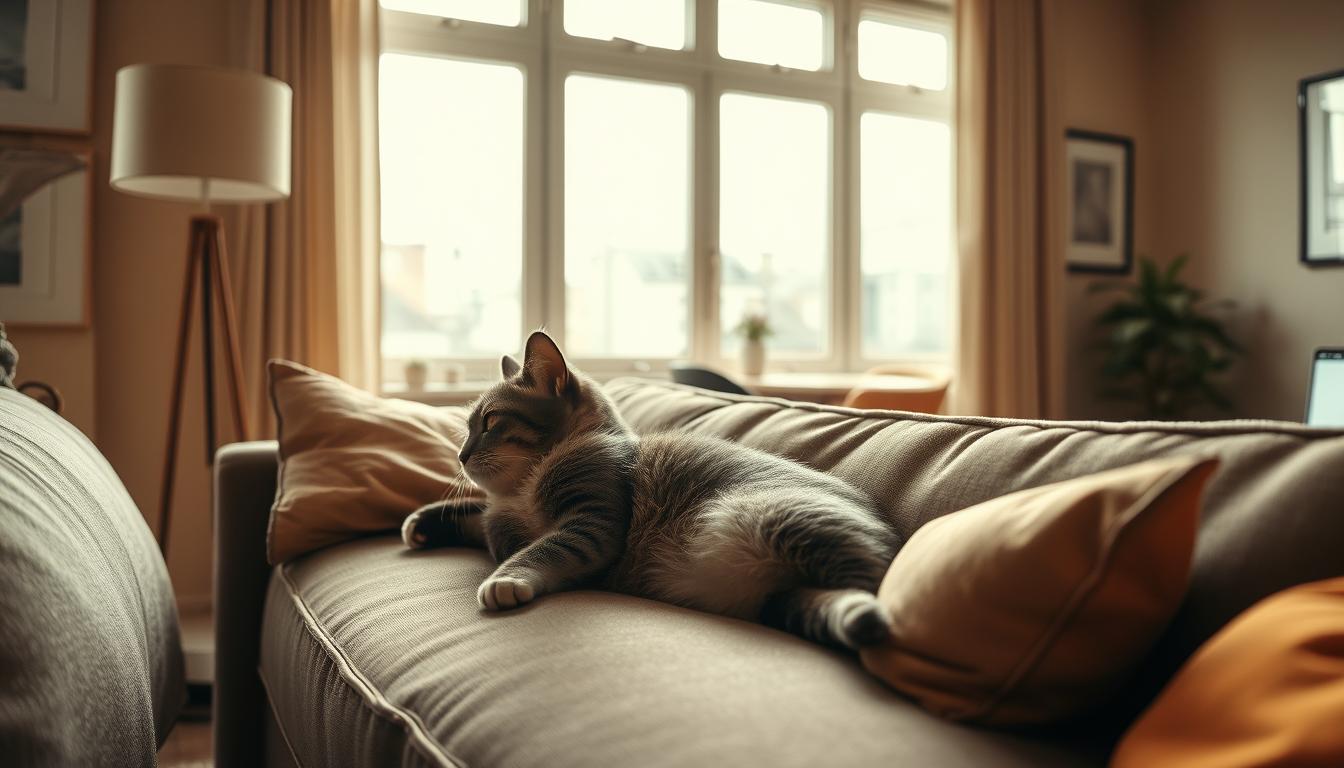
As a cat lover, you might wonder why you're so drawn to them. I do too. It's the way they curl up in my lap, purring, that feels so special.

if-you-love-cats-this-may-be-why?

Paul Zak, from The Moral Molecule, says our bond with cats is deep. It's so strong that people spend a lot of money on their pets. They'd choose to save their pet over getting a new one.

In this article, we'll look at why we love cats so much. We'll use science and expert views to understand why we love cats.

Key Takeaways

  • Understanding the emotional connection between humans and cats
  • Exploring the scientific reasons behind cat fascination
  • Discovering the benefits of the human-feline bond
  • Learning how to strengthen your relationship with your cat
  • Gaining insights into the psychology of cat owners

The Ancient Bond Between Humans and Cats

Cats have been part of human history for thousands of years. They have moved in and out of our cultures and societies. Exploring this bond, we learn about the history of feline domestication and their role in ancient cultures.

The Historical Domestication of Felines

The domestication of cats started in the Middle East about 10,000 years ago. Archaeology shows that wildcats were attracted to human settlements to hunt rodents. These wildcats then adapted to living with humans, becoming the domesticated cats we know today.

Cats in Ancient Egyptian and British History

In ancient Egypt, cats were seen as deities, linked to the goddess Bastet. In Britain, cats have a special place in history, mainly in the monarchy.

The Royal Connection: Cats in British Monarchy

Cats have been loved by British royal families for centuries. Queen Victoria loved cats a lot. Her love helped make exotic cat breeds popular in Britain. Today, cats are a big part of British culture, seen as valued family members.

The history of cats in human society shows a deep bond between humans and cats. This bond continues to fascinate us today.

The Evolutionary Psychology Behind Cat Attraction

Cats have always fascinated us, and evolutionary psychology gives us some interesting reasons why. It shows that certain traits and actions make them very appealing to us.

Predatory Instincts That Captivate Our Attention

Cats are natural hunters, and their hunting skills are a big part of their charm. Watching them stalk and pounce is thrilling. It shows off their agility and cleverness, which we find very appealing.

The Baby Schema: Why Cat Features Trigger Our Nurturing Instincts

Ethologist Konrad Lorenz discovered the baby schema. It says that features like big eyes and round faces make us want to care for them. Cats have these features, making them very cute and endearing.

The Power of Big Eyes and Small Noses

Cats' big eyes and small noses make us want to take care of them. These features make them seem young and in need of protection. This is why breeds like the British Shorthair are so loved.

Our love for cats comes from their ability to excite our hunting and nurturing sides. Understanding these reasons helps us see why cats are such important friends in our lives.

The Independence Paradox: Valuing What We Can't Control

Cats are loved for their independence. This makes their affection even more special. They don't always want to be around, which adds to their charm.

Their independence can be both a blessing and a curse. It's frustrating at times but also makes their affection more rewarding.

The Satisfaction of Earning a Cat's Affection

Getting a cat's affection takes patience and understanding. Unlike dogs, cats are picky. When they do choose to snuggle or play, it's a big deal.

This selective affection makes the moments we share with them more special. It shows they've accepted us into their world.

Why We Treasure What Doesn't Come Easily

Humans value things that are hard to get more than easy ones. This is true for our relationships with cats. Their affection is not always easy to get, so we appreciate it more.

This is different from dogs, which often show unconditional love. Cats' affection is more subtle and challenging to earn.

The Contrast with Canine Devotion

Dogs are quick to form close bonds with their owners. While rewarding, it's different from earning a cat's affection. The table below shows some key differences between cat and dog ownership.

CharacteristicsCatsDogs
Affection StyleSelective, on their termsUnconditional, eager
Interaction LevelIndependent, sometimes aloofHighly social, demanding attention
Owner InteractionOften initiated by the catUsually initiated by the dog

https://www.youtube.com/watch?v=CVVvSZ6bvvk

The independence of cats is a big part of their charm. It makes their affection a privilege, not something we can take for granted. Reflecting on your relationship with your cat, you'll see their independence is a key part of their appeal.

The Therapeutic Benefits of Feline Companionship

Feline companionship brings joy and helps reduce stress and anxiety. It shows that cats can greatly improve our mental health. Their presence can have a very positive effect.

Stress Reduction Through Purring and Petting

Playing with or just watching cats can lower our stress. Petting a cat can lower blood pressure and help us relax. The sound of a cat's purr also brings calmness.

Cats as Emotional Support Animals in British Households

In the UK, cats are seen as emotional support animals. They offer comfort and companionship to those who need it. Their role in supporting mental health is very important.

Research from UK Universities on Cat Therapy

UK universities have done research on cat therapy. It shows that cat owners have less stress and anxiety. Cats also provide emotional support, which helps people with mental health issues.

In summary, cats offer many benefits, from reducing stress to providing emotional support. As we focus more on mental health, the value of cats in our lives grows.

If You Love Cats, This May Be Why? The Science Explained

Studies show that being around cats can really boost our mood. But what makes this connection so strong? The bond between humans and cats is complex, involving our minds, emotions, and biology.

Oxytocin Release During Cat Interactions

Oxytocin, known as the "love hormone," plays a big role in our bond with cats. When we interact with them, our oxytocin levels go up. This hormone helps us feel close and affectionate towards our feline friends.

It's not just physical touch that triggers oxytocin. Even looking at or playing with cats can make it release. This is why many cat owners feel such a strong connection with their pets.

The Neurochemistry of Feline Bonding

Other chemicals also play a part in our bond with cats. Dopamine makes us feel good, and endorphins help us relax. Together, these chemicals strengthen our emotional connection with cats.

British Studies on Human-Cat Relationships

Research in the UK has looked into human-cat relationships. The University of Bristol, for example, has studied how cats affect our mental health. These studies shed light on the mental and emotional benefits of having a cat.

Understanding why we love cats helps us see how deep our connection is. Whether it's oxytocin or just their company, cats have a big impact on our lives.

The Low-Maintenance Appeal: Cats Suit Modern British Lifestyles

Cats are great for busy lives in the UK. They don't need much care, which is perfect for city living. Many people, like busy professionals, love having cats because they are independent.

Self-Sufficiency as a Pet Benefit in Busy Lives

Cats are great for city homes because they don't need much watching. They don't need walks or constant attention. This makes them perfect for those with tight schedules.

Cats in Urban Flats and Small Living Spaces

Cats fit well in small homes, like flats in London. They are quiet, which is good for living close to others.

The Perfect Pet for London Living

London's fast pace is a great match for cat owners. Cats are calm and don't need much attention, fitting well into the city's busy life.

Benefits of Cat OwnershipUrban Living Advantages
Low maintenance careSuitable for small living spaces
Independent natureQuiet, considerate pets
Self-sufficiencyIdeal for busy professionals
cat in urban flat

In summary, cats are a great choice for modern British life, and even more so for city living. They are easy to care for, don't take up much space, and are quiet. This makes them ideal pets for city dwellers.

The Personality Match: Finding Your Feline Counterpart

If you love cats, you might have noticed how they reflect your personality. This isn't just a coincidence. It's because of the deep bond between humans and cats.

Introverts and the Comfort of Cat Companionship

Studies show that introverts find comfort in cats. Cats are independent, which fits well with introverts who like quiet places. They offer companionship without being too much, perfect for introverts.

How Cat Personalities Complement Human Traits

Cats, like humans, have their own unique personalities. This means there's a cat for everyone. An energetic cat might be great for someone who loves to stay active. A calm cat is better for those who prefer a relaxed life.

The British Reserve and Feline Independence

The British reserve is about being calm and independent. This trait is similar to cats' independent nature. It's why cats are so popular in British homes, fitting well with British values.

In summary, the connection between humans and cats is deeply rooted in personality matches. Understanding this can make us appreciate our cats more and value the special bond we share.

The Aesthetic Appreciation: Beauty in Feline Form

Cats have a beauty that captivates us, from their smooth movements to their different coat patterns. Watching our feline friends, it's obvious their physical beauty is a big part of why we love them.

Graceful Movements and Physical Elegance

Cats move with grace and agility. Whether chasing prey or just moving around, their actions are smooth and fascinating. This elegance makes them a pleasure to watch.

The Diversity of Cat Breeds Popular in Britain

Britain has a wide range of cat breeds, each with its own special traits. From the strong British Shorthair to more exotic breeds, the variety is incredible.

From British Shorthairs to Exotic Imports

The British Shorthair is a favourite for its sturdy build and simple coat. On the other hand, breeds like the Sphynx or Bengal bring a unique look, appealing to those who like something different.

This variety in cat breeds not only makes them more beautiful but also means there's a cat for everyone, no matter what you like or need.

The Digital Cat Phenomenon: Felines Dominate British Social Media

Cats rule the digital world, thanks to British cat lovers. Social media is full of cat videos, photos, and stories. These capture the hearts of people all over the UK.

Why Cat Content Thrives Online

Cat videos and photos are everywhere because they touch our hearts. Cats make us laugh, comfort us, and keep us company with their funny acts and cute faces. Their short videos are perfect for our fast-paced online lives.

cat social media presence

Famous British Cats and Their Internet Presence

Many British cats have become online stars. Maru, the Scottish Fold cat, loves boxes. Nala, the cat with the most Instagram followers, is another example. British cats are all over the digital world.

The Chief Mouser to the Cabinet Office: Downing Street Cats

The Chief Mouser is the Prime Minister's official cat. Cats like Larisa and Syriana have held this role. They win hearts with their charm and duties. These cats are a big part of British culture and often appear in media and online.

Famous CatClaim to FameSocial Media Presence
MaruLove for boxesMillions of followers
NalaMost followed cat on InstagramOver 15 million followers
LarisaChief Mouser to the Cabinet OfficeFeatured in British media

Exploring why we love cats shows their online fame is key. The digital cat world shows our love for cats. It also lets cat lovers share their passion and connect with others.

"Cats have been our companions for thousands of years, and their online presence is just a continuation of that special bond."

The Mystery Factor: Cats as Enigmatic Companions

One of the most intriguing things about owning a cat is the mystery around their behaviour and feelings. As we live with these enigmatic creatures, we often wonder what they're thinking or feeling.

The Allure of the Unknowable Feline Mind

Cats are mysterious, which makes them so appealing. Unlike dogs, they don't always show love or follow commands. This leaves us guessing about their feelings.

Projecting Human Emotions onto Cat Behaviour

Humans often see their cats as if they were people. We give them human-like qualities, which makes our bond stronger. We try to understand their needs and wants.

The Fascination with Cat Psychology

Studying cat psychology is becoming more popular. Many cat owners want to understand their pets better. By exploring cat psychology, we appreciate these mysterious animals more.

Exploring the mystery of our feline friends reveals their charm. Embracing this mystery strengthens our bond with them. It also makes our lives richer with their presence.

The Sensory Experience: Touch, Sound, and Presence

Being with cats is a rich experience. It includes the calming sound of their purrs, the joy of touching their soft fur, and their soothing presence. Their company can be incredibly comforting.

The Comfort of Purring After a Long Day

A cat's purring can make us feel relaxed and at ease. Studies show that the vibrations from purring might help lower blood pressure and reduce stress. As you sit with your cat, the soothing purrs can help you relax after a long day.

The Tactile Pleasure of Stroking Soft Fur

Stroking a cat's fur is very pleasurable. Their soft fur can make us feel calm and happy. Many find petting their cat helps reduce anxiety and promotes relaxation.

Stroking your cat's fur can also strengthen your bond with them. It's a way to connect and show affection.

Why Cat Sounds Resonate with Humans

Cat sounds, like purring, resonate with humans. The frequency of a cat's purr is often within the range that humans find most comforting. This natural resonance can create a sense of harmony between humans and cats, strengthening their emotional bond.

The emotional response to these sounds can vary. But for many, it's a source of comfort and companionship.

In conclusion, the sensory experience of being with cats is full of comfort and joy. From the sound of their purring to the pleasure of stroking their fur, cats bring a lot of love and companionship into our lives. By appreciating these aspects, we can understand why cats are such beloved companions in many British homes, embodying the essence of cat love and feline companionship.

British Cultural Influences on Cat Appreciation

In British culture, cats hold a special place. This love for cats is seen in many parts of society.

Cats in British Literature and Art

Cats are a big part of British literature and art. Famous authors like T.S. Eliot have written about them. His work, Old Possum's Book of Practical Cats, shows the fun side of cats. It also shows how important cats are in British culture.

The British Cat Charity Phenomenon

The UK has many cat charities. These groups work hard to help cats. They aim to make life better for cats everywhere.

From T.S. Eliot to Modern Cat Cafés

Today, British culture's love for cats is seen in cat cafes. These places let cat lovers spend time with cats. It strengthens the bond between humans and cats.

  • Cat cafes are a friendly spot for cat fans.
  • They help local cat charities and adoption efforts.
  • Cat cafes are a hit in the UK for socializing.

The mix of old and new shows how complex British culture's love for cats is.

The Reciprocal Relationship: What Cats Give Us

Exploring cat love shows us that cats give us more than we give them. The bond between humans and cats is based on mutual affection and trust. Cats offer companionship, comfort, and unconditional acceptance.

Unconditional Acceptance Without Judgement

Cats accept us for who we are, without judging us. They bring us comfort and security, sensing our emotions and showing affection. This acceptance makes us feel seen and loved without any conditions.

The Joy of Being Chosen by a Cat

When a cat chooses to spend time with us, it's a joyous experience. Cats are independent, so when they pick us, it makes us feel special. This choice strengthens our bond and increases our love for them.

The Mutual Benefits of Cat Ownership

Being a cat owner has many benefits for both sides. Cats offer companionship, emotional support, and comfort. In return, we provide care, shelter, and love. This mutual relationship is at the core of the human-cat bond, creating a strong connection between us.

Benefits to HumansBenefits to Cats
Companionship and social interactionCare and nutrition
Emotional support and comfortShelter and safety
Stress reduction and relaxationLove and affection

In conclusion, the relationship between humans and cats is filled with mutual benefits. Cats give us unconditional acceptance, companionship, and joy. By understanding and valuing what cats give us, we can strengthen our bond and enrich our lives.

Overcoming the "Cat Person" Stereotype in British Society

The idea that cat owners in the UK are seen in a certain way is complex. Some think they are shy or odd. But others believe they are kind and caring.

Gender and Cat Ownership Trends in the UK

Studies show that cat ownership isn't linked to gender. A survey by the UK's Cat Charity found that men and women own cats equally. This proves that cat ownership isn't just for women.

Breaking Down Misconceptions About British Cat Lovers

Cat lovers in the UK are varied and don't fit old stereotypes. Many are active and enjoy the company of cats.

Famous British Cat Enthuasiasts Who Defy Stereotypes

Stars like Bill Murray and Helen Mirren love cats. They show that cat lovers come from all walks of life. They prove that loving cats has no age or background limits.

By showing the variety of cat owners, we can change old views. This helps us understand what it means to love cats in British society better.

Conclusion: Embracing Your Feline Fascination

Exploring why we love cats reveals a mix of history, psychology, and emotions. If you adore cats, knowing these reasons can make your bond with them even stronger.

The connection between humans and cats is special. It's based on love, trust, and friendship. Cats have won our hearts for ages, and their mysterious nature makes them even more fascinating. By embracing your love for cats, you can build a deeper connection with your pet.

So, why do we love cats so much? It's because of the special way we interact with them. From the comfort of their company to the fun of their playful moments. Reflecting on your experiences with cats will show you how much they enrich your life.

FAQ

Why do people love cats so much?

People adore cats for many reasons. They love their independence and affectionate nature. Cats also offer stress relief and emotional support.

What is it about cats that triggers a nurturing response in humans?

Cats' cute features, like their big eyes and soft fur, make humans want to care for them. This releases oxytocin, which is linked to bonding and caregiving.

How do cats contribute to stress reduction and emotional well-being?

Cats help reduce stress with their calming presence and purring. They also offer affection, which can lower blood pressure and help people relax.

Are cats suitable pets for people living in small urban spaces?

Yes, cats are perfect for city living. They are easy to care for and can live happily in small spaces.

Can cats form strong bonds with their owners?

Yes, cats can form deep bonds with their owners. These bonds are based on mutual affection and trust. They release oxytocin during interactions, which strengthens their connection.

Why are cats so popular on social media?

Cats are a hit on social media because of their fun antics and adorable looks. They bring joy to people's lives, making them a favourite topic for online creators.

How do cat personalities match or complement human traits?

Cat personalities can match or complement human traits. They offer companionship and emotional support that suits an individual's needs and personality.

What role do cats play in British culture and society?

Cats are a big part of British culture and society. They appear in literature, art, and charity work. They are celebrated for their unique qualities and the companionship they offer.

Are there any stereotypes associated with cat owners in British society?

Yes, there are stereotypes about cat owners, like being seen as introverted or eccentric. But these are not always true. Cat owners are diverse, and their experiences challenge these stereotypes.

What are the benefits of having a cat as a companion for introverts?

Cats can be great companions for introverts. They offer affection, comfort, and social support. This can help introverts feel less lonely and isolated.

Tuesday, 2 September 2025

The 10 Fluffiest Cat Breeds to Cuddle


The 10 Fluffiest Cat Breeds to Cuddle

Are you ready to snuggle up with the most adorable felines? As a cat enthusiast, you know the joy of cuddling with a fluffy feline friend. With so many breeds, picking the right one can be tough.

I've always been fascinated by fluffy cats. I'm excited to share the top breeds that will capture your heart.

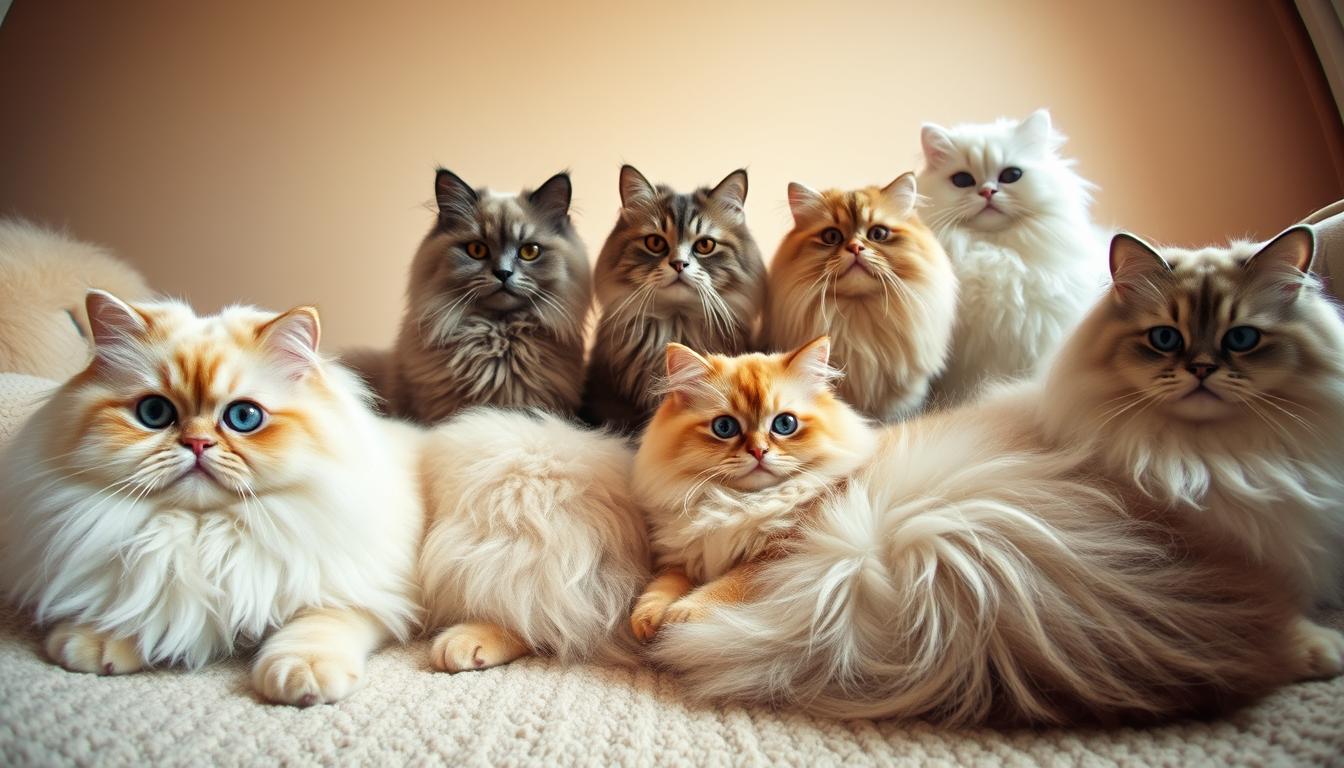
10 fluffiest cat breeds

From the regal Persian to the playful Maine Coon, each breed has its own charm. Let's explore the world of adorable fluffy cats. Discover which breed is the perfect companion for you.

Key Takeaways

  • The top 10 fluffiest cat breeds make great companions for those who love to cuddle.
  • Breeds like the Persian and Maine Coon are known for their gentle and affectionate nature.
  • Fluffy cats require regular grooming to prevent matting and tangling.
  • Some breeds are more suited to families with children, while others prefer a quieter environment.
  • Researching the characteristics of each breed is essential to finding the perfect fit.

The Allure of Fluffy Cats

Cuddling a fluffy cat makes all troubles fade away. Their soft, luxurious coats and loving nature win our hearts.

Why We Love Fluffy Felines

Fluffy cats are more than looks; they bond deeply with us. Their gentle nature and affectionate personalities make them perfect friends. Here's why we adore them:

  • Their soft, luxurious coats that invite cuddling and stroking.
  • Their endearing personalities, which are often described as sweet and gentle.
  • Their ability to form strong emotional bonds with their owners.

The Science Behind Fluffy Fur

Fluffiness in cats comes from their breed and genetics. They have double coats: a thick undercoat and a longer guard hair layer. This gives them their fluffy look. Knowing about their fur helps us care for them better.

When looking at fluffy kitten breeds, remember their grooming needs. Their beautiful coats need regular care to avoid matting and tangling.

What Makes These 10 Fluffiest Cat Breeds Special

The 10 fluffiest cat breeds have coats that are a mix of genetics and environment. Their fur is not just beautiful, but it shows their health and how well they adapt.

Genetics of Fluffy Fur

A cat's coat genetics are key to its fluffiness. Breeds with a double coat are fluffier because of the extra undercoat. Selective breeding has made these 10 breeds famous for their soft, thick fur.

Seasonal Variations in Fluffiness

Seasons can change how fluffy your cat is. In cold weather, cats grow thicker fur to stay warm, making them look even fluffier. But in warm months, they shed, losing some of that fluff. Knowing this helps you take better care of your cat's fur.

1. Persian: The Classic Fluffy Icon

The Persian cat is famous for its soft coat and calm nature. They love to be showered with affection. Persians are very loving and enjoy being pampered.

Physical Characteristics

Coat Type and Colours

Persian cats have long, fluffy fur in many colours and patterns. Their coat needs regular grooming to avoid tangles.

Distinctive Features

Persian cats have a flat face and short nose. They also have big, round eyes and a cute look.

Temperament and Personality

Persian cats are calm and gentle. They are not as demanding as some other breeds. They are also quiet.

Grooming Requirements

Grooming is key for Persian cats. Their long fur needs daily brushing to stop tangles and mats.

  • Daily brushing is essential to prevent matting.
  • Regular grooming sessions can help reduce shedding.
  • Bathing should be done regularly, but not too frequently.

Health Considerations

Persian cats can have health issues. They might have breathing problems because of their flat face. They can also have eye problems because of their large eyes.

Is a Persian Right for You?

Thinking of getting a Persian cat? Make sure you can handle their grooming and health needs.

2. Maine Coon: The Gentle Giant

Maine Coons are loved by many for their dog-like traits and loving nature. They are among the biggest domestic cats, known for being smart, playful, and big.

Physical Characteristics

Maine Coons look unique with their sturdy build and long, shaggy coat. This coat is not just for looks; it's also practical.

Coat Type and Colours

Their coat is water-resistant, with a thick undercoat and a longer guard hair layer. Maine Coons have many colours and patterns, like solid, tabby, tortoiseshell, and calico.

Distinctive Features

Key physical features include:

  • A broad, wedge-shaped head
  • Large, tufted ears
  • A bushy tail
  • Muscular build

Temperament and Personality

Maine Coons are known for being friendly and outgoing. They are often called "dog-like" because they love water and follow their owners. They are very fond of water.

Grooming Requirements

Maine Coons have thick coats but are easy to groom. They need regular brushing to avoid matting. But, they don't need to be bathed often.

Health Considerations

Maine Coons are usually healthy but can get sick sometimes. They might get hypertrophic cardiomyopathy or hip dysplasia.

Is a Maine Coon Right for You?

Thinking of getting a Maine Coon? You should think about their needs and if they match your lifestyle. They need regular exercise, a good diet, and lots of attention.

3. Ragdoll: The Floppy Cuddle Companion

Ragdolls are known for their soft, silky coats and friendly nature. They love being around people and are very affectionate. This makes them a favourite among cat lovers.

Physical Characteristics

Coat Type and Colours

Ragdolls have a silky, medium-length coat that feels great to touch. They come in many colours and patterns, like pointed, mink, and solid. You can find them in seal, blue, chocolate, and lilac, among others.

Distinctive Features

Ragdolls are famous for going limp when picked up, earning them the name 'Ragdoll'. They also have a large, muscular build and short, tufted fur on their neck and legs. This adds to their unique charm.

Temperament and Personality

Ragdolls are true lap cats, loving to be with people. They are extremely affectionate and always seek human company. They are perfect for families or those who are often at home.

Grooming Requirements

Ragdolls need regular grooming to avoid matting and tangling. A weekly brush is enough, but more often during shedding season.

Health Considerations

Ragdolls are generally healthy but can face issues like hypertrophic cardiomyopathy and hip dysplasia. Regular vet visits are key to keeping them healthy.

Is a Ragdoll Right for You?

If you want a cat that will always be by your side, a Ragdoll is great. They are ideal for families or individuals who can give them the attention they need. But, if you're away for long periods, think about another breed or make arrangements for your Ragdoll's needs.

4. Norwegian Forest Cat: The Woodland Wonder

The Norwegian Forest Cat is a majestic breed known for its rugged appearance and lush coat. It has adapted to the harsh Scandinavian climate. This has given it a robust build and a thick, water-repellent coat.

Physical Characteristics

The Norwegian Forest Cat's physical attributes show its resilience. Its coat is one of its most striking features.

Coat Type and Colours

The breed has a thick, double coat that is both beautiful and functional. The outer coat is water-repellent, while the undercoat provides insulation. Norwegian Forest Cats come in a variety of colours and patterns, including tabby, tortoiseshell, and solid colours.

Distinctive Features

One of the breed's most distinctive features is its tufted ears and fluffy tail. These characteristics, combined with its robust build, give the Norwegian Forest Cat a unique appearance.

Temperament and Personality

Norwegian Forest Cats are known for their intelligence and playful nature. They are generally friendly and outgoing, making them excellent companions.

Grooming Requirements

To maintain their beautiful coat, Norwegian Forest Cats require regular grooming. This includes brushing several times a week to prevent matting and tangling.

Health Considerations

While generally a healthy breed, Norwegian Forest Cats can be prone to certain health issues, such as hypertrophic cardiomyopathy. Regular veterinary check-ups are essential.

Is a Norwegian Forest Cat Right for You?

If you're looking for a breed that is both beautiful and resilient, the Norwegian Forest Cat may be an excellent choice. Be prepared for regular grooming and possible health checks.

5. Siberian: The Hypoallergenic Fluff Ball

The Siberian cat is a hypoallergenic breed with a thick coat. It's loved by many for its playful and gentle nature. They are perfect for those who want a lively yet loving pet.

Physical Characteristics

The Siberian's look is truly striking. It has a thick, triple coat that's both beautiful and practical. This coat helps it adapt to cold weather.

Coat Type and Colours

Siberians come in many colours and patterns, like solid, tabby, and tortoiseshell. Their coat is soft under the fur and long on top. This protects them from the weather.

Distinctive Features

Siberians are big, with males weighing 15-20 pounds. They have large paws and a short, thick neck. These features make them look robust.

Temperament and Personality

Siberians are smart and loving. They love to interact and be part of the family. They often join in on daily activities.

Grooming Requirements

Despite their thick coat, Siberians are easy to groom. Brushing them regularly prevents matting and tangling. This is important during shedding season.

Health Considerations

Siberians are generally healthy but can get sick like any breed. Hypertrophic cardiomyopathy is one issue they might face. Regular vet visits are key to keeping them healthy.

Is a Siberian Right for You?

Thinking of getting a Siberian? You should think about your lifestyle and home. Siberians need a place to play and lots of attention from their owners.

Comparing the 10 Fluffiest Cat Breeds: Grooming Needs

Grooming needs vary among the 10 fluffiest cat breeds. It's important to know what each needs. Fluffy cats are stunning, but they need regular grooming to avoid matting and tangling.

Daily vs. Weekly Grooming

Some breeds, like the Persian and Maine Coon, need daily grooming. This stops their fur from getting matted. Others, such as the Ragdoll and Norwegian Forest Cat, might groom less often. Knowing how often to groom your cat is key to keeping their coat in good shape.

Cat BreedGrooming Frequency
PersianDaily
Maine CoonDaily
Ragdoll2-3 times a week
Norwegian Forest Cat2-3 times a week

Professional Grooming Considerations

Some cat breeds need professional grooming to avoid matting and tangling. For example, Persians and Himalayans often need regular grooming. Think about the cost and need for professional grooming when picking a fluffy cat breed.

https://www.youtube.com/watch?v=CjekJfOXuC4

6. Himalayan: The Persian-Siamese Mix

Himalayans are known for their calm and loving nature. They make great lap cats. This breed combines the best of Persian and Siamese cats, making them very charming.

Physical Characteristics

The Himalayan breed has a unique look. Their coat is a key feature.

Coat Type and Colours

Himalayans have a thick, double coat that needs regular grooming. Their coat colours are pointy, with a lighter body and darker extremities. This comes from their Siamese ancestry.

Distinctive Features

They are known for their striking blue eyes and colour-pointed coat. These features, along with their fluffy texture, make them very attractive.

Temperament and Personality

Himalayans are calm and gentle. They love human company. As a reliable source notes, "Himalayans have a serene and affectionate nature, often seeking out a friendly lap."

Grooming Requirements

Because of their thick coat, Himalayans need regular grooming. Daily brushing is key to keeping their coat in good shape.

Grooming ActivityFrequency
BrushingDaily
BathingMonthly

Health Considerations

Himalayans can face health issues like hypertrophic cardiomyopathy and patellar luxation. Regular vet visits are important for their health.

Is a Himalayan Right for You?

If you want a calm and loving cat, a Himalayan could be perfect. But, think about their grooming needs and health issues first.

7. British Longhair: The UK's Fluffy Pride

The British Longhair is a beautiful cat breed known for its long, soft coat and calm nature. It's a top pick for those who want a laid-back and engaging pet.

Physical Characteristics

The British Longhair has a thick, soft coat that feels wonderful to touch. Its looks make it stand out among fluffy cat breeds.

Coat Type and Colours

The British Longhair's coat is not just pretty but also comes in many colours. This makes each cat special. They need regular grooming to avoid matting.

Distinctive Features

This breed has a broad face and short, broad nose. These features give it a sweet and charming look.

Temperament and Personality

British Longhairs are easy-going, making them great for families or those who want a loving pet without much fuss.

Grooming Requirements

British Longhairs need regular grooming to keep their coat in top shape. Daily brushing helps prevent matting and tangling.

Health Considerations

Like any breed, British Longhairs have health issues to watch out for, such as heart disease and hip problems. Regular vet visits are key.

Is a British Longhair Right for You?

Thinking of getting a British Longhair? Make sure you can give them the care and attention they need. With the right owner, they make wonderful, loyal friends.

8. Somali: The Fox-Like Feline

The Somali cat is known for its fox-like look and playful nature. They are curious and have striking coat patterns. This makes them a favourite among cat lovers.

Physical Characteristics

The Somali's looks are quite unique. They have a medium-length coat that needs regular care.

Coat Type and Colours

The Somali's coat is fine and dense. It comes in colours like ruddy, red, blue, and fawn. Their agouti pattern makes them look like foxes.

Distinctive Features

One key feature is their bushy tail, like a fox's. They also have big, expressive eyes and tufted ears. These features make them look alert and lively.

Temperament and Personality

Somali cats are smart, playful, and loving. They love to play and interact with their owners. This makes them perfect for families or those who enjoy a lively pet.

Grooming Requirements

Keeping their coat looking good requires regular grooming. They need weekly brushing to avoid mats. They also need nail trims and ear cleanings.

Health Considerations

Somalis are generally healthy but can get sick. They might get pyruvate kinase deficiency or progressive retinal atrophy. Regular vet visits are important for their health.

Is a Somali Right for You?

Thinking of getting a Somali? You need to think about your lifestyle and if you can give them the care they need. They love to interact and need grooming. So, they're best for owners who can spend time and effort on their pets.

CharacteristicsDescription
Coat LengthMedium
TemperamentPlayful, Curious, Affectionate
Grooming NeedsRegular Brushing
HealthGenerally Healthy, Prone to Certain Genetic Conditions

9. Birman: The Sacred Cat of Burma

The Birman breed is famous for its calm nature and beautiful looks. They are known for being gentle and loving, with striking blue eyes. This makes them perfect for those who want a peaceful and loving pet.

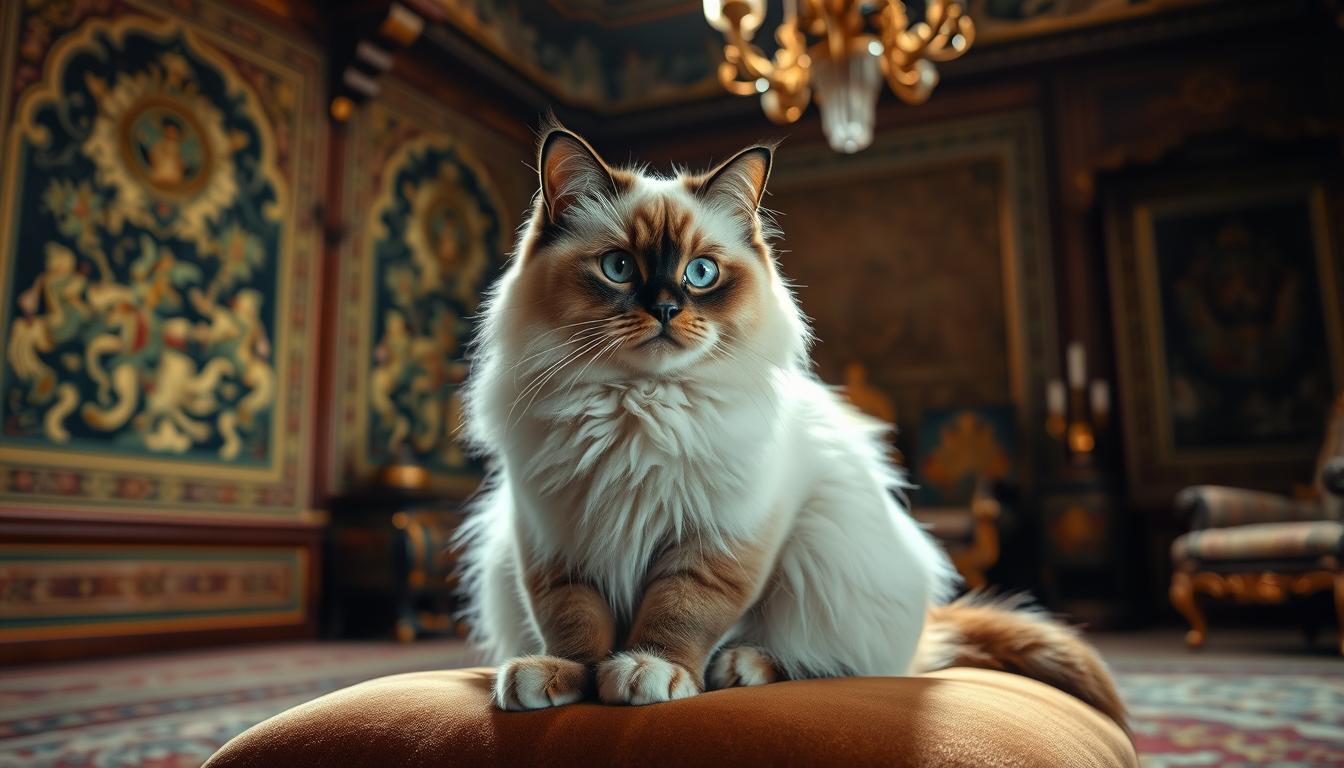
Birman cat breed

Physical Characteristics

Birmans have a color-pointed coat and striking blue eyes. Their fur is soft and silky. They need regular grooming to avoid matting.

Coat Type and Colours

The Birman coat has a pointed pattern. The body is lighter, and the ears, face, legs, and tail are darker. The points can be seal, chocolate, blue, or lilac.

Distinctive Features

Birmans have white 'gloves' on their paws. This makes them stand out.

Temperament and Personality

Birmans are calm and loving. They are gentle and easy-going. This makes them great for families and individuals.

Grooming Requirements

Birmans have a medium-length coat. They need regular grooming to prevent matting. Brushing them once a week is recommended.

Health Considerations

Birmans are generally healthy. But, like all breeds, they can get certain health problems. These include hypertrophic cardiomyopathy and kidney disease. Regular vet visits are key to keeping them healthy.

Is a Birman Right for You?

If you want a calm, loving, and beautiful cat, a Birman might be right. They need regular grooming and attention. If you're ready to care for them, they will be a loyal and loving friend.

10. Turkish Angora: The Ancient Beauty

The Turkish Angora is one of the oldest cat breeds. It's known for its elegant look and fun personality. They have a silky coat and are very playful, making them great pets for those who love fun cats.

Physical Characteristics

The Turkish Angora has a slender yet strong build. Their coat is soft and beautiful, needing regular grooming to prevent tangles.

Coat Type and Colours

Their coat is fine, silky, and medium to long. They come in many colours and patterns, like solid, bi-colour, and tri-colour. Common colours include white, black, blue, and red.

Distinctive Features

One special feature is their water-resistant coat with little undercoat, which means less shedding. Their large, expressive eyes add to their charm.

Temperament and Personality

Turkish Angoras are playful and smart. They love to be the centre of attention. They form strong bonds with their owners and are very loving.

Grooming Requirements

Grooming is key to keep their fur from matting. Brush them 2-3 times a week. During shedding season, daily brushing is needed.

Grooming ActivityFrequency
Brushing2-3 times a week
BathingOccasional

Health Considerations

Turkish Angoras are generally healthy but can get hypertrophic cardiomyopathy and patellar luxation. Regular vet visits are important for their health.

"Regular grooming and veterinary check-ups are key to ensuring the Turkish Angora lives a long and healthy life."

Is a Turkish Angora Right for You?

If you want a cat that's smart, fun, and loving, the Turkish Angora is a good choice. But, think about their grooming needs and health before deciding.

Essential Grooming Tools for Fluffy Cat Owners

To keep your fluffy cat's coat looking great, you need the right tools. Regular grooming is key. It stops matting, cuts down on shedding, and spreads skin oils for a healthy coat.

"Grooming is not just about keeping your cat looking good; it's also vital for their health and happiness," says a top cat grooming expert. A well-groomed cat is a happy and healthy cat.

Brushes and Combs

A good brush or comb is the heart of grooming. For fluffy cats, a slicker brush or pin brush works best. They help detangle and smooth the coat. A comb with wide teeth is also good for gently working out knots and tangles.

Some top brushes for fluffy cats include:

  • Slicker brushes
  • Pin brushes
  • Wide-tooth combs

Deshedding Tools

Deshedding tools help cut down on shedding and prevent hairballs. They come in rakes, combs, and brushes. Choose one that's gentle on your cat's skin but good at removing loose hair.

Key features to consider:

  • Gentle on skin
  • Effective at removing loose hair
  • Easy to clean

Bathing and Drying Equipment

Not all cats need baths, but fluffy ones might. Occasional baths keep their coat clean and healthy. Use gentle shampoo and conditioner, and dry them well to avoid chilling.

By getting the right grooming tools, you can keep your fluffy cat's coat in great shape. It also strengthens your bond with them.

Living with Fluffy Cats: Managing Shedding and Fur

Shedding is a normal part of having fluffy cats. But, there are ways to lessen its effect. Fluffy cat breeds have beautiful, thick coats. These need regular care to stop too much shedding.

Home Cleaning Strategies

To deal with shedding, good home cleaning plans are key. Use a pet-friendly vacuum to cut down fur on furniture and floors. Also, washable covers on your furniture make cleaning simpler. And, a lint roller is great for removing fur from clothes and furniture.

Seasonal Shedding Solutions

Fluffy cats shed a lot, more so during seasonal changes. To handle this, groom them more often in these times. Brushing your cat often helps by removing loose fur. Below is a table with some key tips for managing shedding through the seasons:

SeasonGrooming FrequencyAdditional Tips
SpringDaily brushingIncrease bathing frequency
AutumnDaily brushingUse a deshedding tool
Summer/WinterRegular brushing (2-3 times a week)Maintain a consistent grooming routine

By using these strategies, you can lessen shedding's impact. This way, you can enjoy your fluffy cat's company more.

Choosing the Right Fluffy Cat for Your Home

Deciding to get a fluffy cat is a big decision. It's important to think about your lifestyle and what you want. "Choosing the right cat breed depends on your lifestyle and preferences," say many cat breed websites. You need to consider a few things to make sure you and your cat will get along.

Lifestyle Considerations

Your lifestyle is key in picking the right fluffy cat. If you're always busy, a low-maintenance cat might be best. But if you're home a lot, a cat that loves to play might be perfect.

Allergies and Sensitivities

Some people might have allergies to certain cats. Even though some fluffy cats are considered hypoallergenic, they can cause allergies. It's important to think about this, if someone in your house has allergies.

Time Commitment for Grooming

Fluffy cats need regular grooming to stay healthy. You should think about if you can commit to grooming. Regular grooming keeps your cat looking great and helps with shedding and hairballs.

By thinking about these things, you can find a fluffy cat that's right for you. Whether you want a cat that's easy-going or one that loves to play, there's a perfect fluffy cat out there.

choosing fluffy cat breeds

Conclusion

Exploring the 10 fluffiest cat breeds shows each has its own special charm. Whether you love the Maine Coon's grandeur or the Ragdoll's love, there's a fluffy cat for everyone.

Choosing a fluffy cat breed means thinking about your lifestyle and what you need. Consider how much grooming time you have and your home's space. This way, you'll find the perfect adorable fluffy cat for you.

Research more and talk to breeders or rescue groups to find your perfect cat. The right fluffy cat breed brings joy and a loving bond into your life.

FAQ

What are the top 10 fluffiest cat breeds?

The top 10 fluffiest cat breeds are the Persian, Maine Coon, and Ragdoll. Also, the Norwegian Forest Cat, Siberian, and Himalayan are on the list. The British Longhair, Somali, Birman, and Turkish Angora make up the rest.

How often should I groom my fluffy cat?

Grooming frequency varies by breed and cat. Most fluffy cats need daily or weekly grooming. This prevents matting and tangling.

Are fluffy cats hypoallergenic?

Some fluffy cat breeds, like the Siberian, are considered hypoallergenic. But, no cat is completely allergen-free. Some breeds might be better for those with allergies.

How can I manage shedding and fur around my home?

To manage shedding, use home cleaning strategies. Vacuum regularly and use a lint roller. Wash your cat's bedding often. Deshedding tools and seasonal solutions can also help.

What are the health considerations for fluffy cat breeds?

Fluffy cat breeds may face health issues like hypertrophic cardiomyopathy and hip dysplasia. Regular vet visits and genetic testing are key. This helps spot health problems early.

How do I choose the right fluffy cat breed for my lifestyle?

Choose a breed based on your lifestyle, allergies, and grooming time. Research each breed's needs to find the perfect match for you.

What are the grooming needs of the different fluffy cat breeds?

Grooming needs vary among fluffy cat breeds. Some, like the Persian, need daily grooming. Others, like the British Longhair, may need less.

Can fluffy cats be trained?

Yes, fluffy cats can be trained with patience and positive reinforcement. They can learn tricks, walk on a leash, and respond to commands.

Are fluffy cats generally affectionate?

Many fluffy cat breeds are very affectionate, like the Ragdoll and Birman. But, each cat is unique. Some may be more reserved or independent.

Sunday, 3 August 2025

Ideal Low Maintenance Dogs for first time Pet Owner


Choosing the right dog breed can be a big challenge. With so many options, it's key to think about maintenance needs and your lifestyle.

low maintenance dogs for first time owners

If you're new to dog ownership, you might wonder which breeds are best. The good news is, some breeds are easier to adapt to and need less care. In this article, we'll look at the top beginner-friendly dog breeds for first-time owners.

Key Takeaways

  • Choosing the right dog breed is vital for a happy pet-owner relationship.
  • Some breeds are better for first-timers because they're more adaptable.
  • Things like maintenance needs and lifestyle are important when picking a breed.
  • Beginner-friendly breeds need less attention and are simpler to care for.
  • Doing your research helps make the transition smoother for you and your pet.

What Makes a Dog Truly "Low Maintenance"

As a beginner dog owner, it's key to know what makes a dog low maintenance. These dogs need little care, exercise, and grooming. They're great for people with busy lives or those new to owning dogs.

Defining Care Requirements for Beginner Dog Owners

Dogs have different care needs based on their breed. For new dog owners, finding breeds that are easy to care for is important. These pets need less exercise, simple food, and minimal grooming.

"A low-maintenance dog is one that fits your lifestyle easily," says dog care expert, Jane Smith. When picking a dog, think about their energy, training, and grooming needs. Dogs with low energy need less exercise, and those with short coats groom less.

Balancing Companionship with Convenience

Having a low-maintenance dog means finding a balance between companionship and ease. You want a dog that loves you but also fits your busy life. Fuss-free canine companions are happy with less attention and can play alone.

Look for breeds that are calm and laid-back. These dogs don't need constant attention and can live in many homes. They're ideal for busy owners or those who prefer a calm pet.

Essential Considerations Before Bringing Home Your First Dog

Getting your first dog is a big decision. You need to think about your time, budget, and where you live. It's important to see if your lifestyle can support your new pet.

Realistic Time Commitment Assessment

Figuring out how much time you can give is key. Think about the time for training, exercise, and daily care. Some dogs need a lot of training and activity, while others are easier to care for.

Make a schedule to see if you have enough time. This will help you decide if you need to change your life or pick a dog that fits your schedule.

Budget Planning for First-Time Owners

Planning your budget is essential. You'll need to think about food, vet bills, and supplies. Here's a rough guide to monthly costs:

ExpenseEstimated Monthly Cost
Food£30-£50
Veterinary Care£20-£50
Supplies (toys, bedding, etc.)£10-£30
Total£60-£130

Space Requirements and Living Arrangements

Think about where you live. If you have a small place, choose a dog that doesn't need a lot of room. If you have a big yard, pick a dog that can enjoy it.

Consider your home's size, outdoor areas, and local dog rules. This ensures a happy home for you and your dog.

Low Maintenance Dogs for First Time Owners: Top Recommendations

As a first-time dog owner, you're looking for a breed that's easy to care for. There are many dog breeds that are perfect for beginners. We'll look at some of the best low-maintenance dog breeds for first-time owners.

Cavalier King Charles Spaniel

The Cavalier King Charles Spaniel is a great choice for first-time owners. They are beginner-friendly and need less care than other breeds.

Temperament and Care Needs

Cavalier King Charles Spaniels are known for being friendly and adaptable. They need moderate exercise but are happy with less strenuous activities. They also need regular grooming to keep their coats from matting.

One reason they are considered effortless care dog breeds is their easy-going nature. They are social and respond well to positive training. They are also generally healthy, living up to 10-12 years, making them a great long-term companion.

Other breeds like the Greyhound and Bichon Frise are also great for beginners. They share similar traits with the Cavalier King Charles Spaniel, being low maintenance and easy to care for.

  • The Greyhound is calm and gentle, needing little exercise.
  • The Bichon Frise is playful yet adaptable, requiring regular grooming.

When choosing a dog breed as a first-time owner, consider their exercise needs, grooming, and temperament. By picking a breed that fits your lifestyle, you'll create a happy and healthy bond with your new dog.

Small Breeds That Require Minimal Effort

For first-time dog owners, small breeds are great. They need little time and energy. This makes them perfect for beginners who want a pet but don't want too much work.

French Bulldog

The French Bulldog is loved for being easy-going and needing little exercise. They are very affectionate and easy to adapt to new homes.

Apartment-Friendly Qualities

French Bulldogs are great for living in apartments. They are quiet and don't need a big yard. This makes them ideal for city living or small spaces.

Exercise and Grooming Needs

They need short walks and have a coat that's easy to look after. This means you spend less time on grooming and exercise. You can enjoy your new pet more.

As Jane Smith, a dog owner, says, "My French Bulldog is perfect for my busy life. He loves short walks and just wants to cuddle."

"The French Bulldog's calm and gentle nature makes it an ideal breed for first-time dog owners."
BreedExercise NeedsGrooming Needs
French BulldogLowLow
Shih TzuLowModerate
PoodleModerateHigh

https://www.youtube.com/watch?v=jpYROKfDDnM

Think about your lifestyle and where you live when picking a breed. The right dog will make your life better and less stressful.

Medium-Sized Breeds with Easy-Going Temperaments

Looking for a dog that's not too energetic or too lazy? Medium-sized breeds with easy-going temperaments are perfect. They have just the right amount of energy and calmness for many lifestyles.

These breeds are very versatile. They're big enough to be sturdy but small enough for new dog owners. The Basset Hound is a great example.

Basset Hound

The Basset Hound is famous for its laid-back personality. It's a great choice for those who want a dog that's easy to care for. Their calm nature makes them perfect for families or anyone who wants a fuss-free canine companion.

Laid-Back Personality

Basset Hounds are easy-going. They don't need a lot of energy and are happy with a relaxed life. This makes them great for first-time dog owners who don't want a high-energy dog.

Exercise and Care Requirements

Even though they're laid-back, Basset Hounds need regular walks to stay healthy. They also love having a safe, open area to play. Their short, smooth coat is easy to look after, making them a simple upkeep dog breed. Just remember to check their ears and eyes and bathe them now and then to keep them looking good.

In summary, medium-sized breeds like the Basset Hound are perfect for those who want a loving dog that's easy to care for. Their easy-going nature makes them a great choice for anyone looking for a low-maintenance pet.

Larger Breeds That Are Surprisingly Low Maintenance

Some larger dog breeds are surprisingly easy to care for. Their size might mean they need more space and exercise. But, some big dogs are actually more relaxed and simple to look after than smaller ones.

Great Dane

The Great Dane is a big dog that's really gentle and laid-back. This makes them perfect for people who are new to owning dogs. They are often called "gentle giants."

The Gentle Giant Personality

Great Danes are very friendly and loving. They get along well with kids and other pets. They are also pretty calm inside, which is great for families or anyone who wants a low-key pet.

Space vs. Energy Requirements

Great Danes need room to move but they're not super energetic. They need regular walks but don't need as much exercise as you might think. A daily walk and some playtime is enough.

BreedSizeEnergy LevelGrooming Needs
Great DaneLargeModerateLow
Bernese Mountain DogLargeModerateMedium
NewfoundlandLargeLowHigh

In conclusion, big dogs like the Great Dane are great for new dog owners or anyone who wants a pet that's easy to care for. They are calm, don't need a lot of exercise, and are perfect for many families.

Breeds with Minimal Grooming Requirements

Looking for a dog that doesn't need much grooming? You're in luck. Many breeds are low-maintenance in this area. Grooming is a big part of dog care, but some breeds are easier to handle.

Short-Coated Breeds That Rarely Need Baths

Short-coated breeds are perfect for those who want less grooming. These dogs need baths less often and have coats that are simple to keep up.

Beagle

The Beagle is friendly and curious, with a short, smooth coat. They need only occasional baths and regular nail trims.

Boxer

Boxers have short, smooth coats and are full of energy. They need little grooming, just occasional baths and brushing to remove dead hair.

Beagles and Boxers are great for those who want minimal grooming dogs. Their short coats make them fuss-free canine companions. They're perfect for busy owners or those who don't like a lot of grooming.

BreedGrooming NeedsBathing Frequency
BeagleLowOccasional
BoxerLowOccasional

The table shows Beagles and Boxers have low grooming needs. They're great for owners who want a pet that's easy to care for.

Dogs with Naturally Calm and Relaxed Dispositions

For first-time dog owners, finding a calm breed is key to a peaceful home. Laid-back dogs are easier to manage and more forgiving. They're perfect for new owners.

laid-back dogs for new owners

Breeds known for calmness make owning a dog simpler. They need less attention and exercise. These dogs are great for those who want a pet that's easy-going and doesn't need constant interaction.

Breeds That Don't Require Constant Attention

Some dog breeds are naturally relaxed, ideal for busy owners. The Bullmastiff and Clumber Spaniel are two such breeds.

Bullmastiff

The Bullmastiff is a large dog with a calm and gentle nature. Despite their size, they are laid-back and don't need constant attention. They're a great choice for first-time owners who want a low-fuss pet.

  • They are naturally protective but not aggressive.
  • Bullmastiffs are relatively low-maintenance in terms of grooming.
  • They are generally quiet and not prone to barking.

Clumber Spaniel

The Clumber Spaniel is known for its calm disposition. They are gentle, easy-going, and don't demand a lot of attention. This makes them perfect for owners with busy lives.

  • Clumber Spaniels are relatively low-energy dogs.
  • They have a moderate grooming requirement.
  • These dogs are known for being affectionate but not overly demanding.

In conclusion, breeds like the Bullmastiff and Clumber Spaniel are great for first-time dog owners. Their calm and relaxed nature makes them easy to care for. They're ideal for those new to dog ownership.

Health Considerations: Breeds with Fewer Medical Needs

For first-time dog owners, knowing about different breeds' health is key. Some breeds are naturally healthier and need less care. This makes them perfect for new dog owners.

Naturally Robust Dog Breeds

Some dog breeds are known for being very healthy. The Australian Cattle Dog and Border Terrier are great examples. They need less medical help.

Australian Cattle Dog

The Australian Cattle Dog is known for its toughness. It was bred to work in tough conditions. This makes it a great choice for active owners. With the right care, they can live up to 15 years with few health problems.

Border Terrier

The Border Terrier is also very hardy. They were bred for hunting and are full of energy. They need lots of exercise to stay healthy. They can live for 12-14 years with the right care.

When picking a dog breed, it's important to look at their health. Choosing breeds that are naturally healthy can make owning a dog easier. This way, first-time owners can enjoy their pets more.

Knowing about different breeds' health can help you decide. Choosing breeds that are naturally healthy can save on vet bills. It also means a happier, healthier pet.

Intelligence and Trainability: Breeds That Learn Quickly

Choosing a dog breed known for its smarts and trainability makes life easier for new owners. A smart dog learns commands fast and behaves well in different places.

Smart breeds learn quickly, making training easier and strengthening your bond. Let's look at some breeds known for their smarts and trainability.

Dogs That Respond Well to Basic Commands

Some breeds learn basic commands easily, perfect for new owners. The Papillon and Manchester Terrier are great examples.

Papillon

The Papillon is very smart and friendly. It loves to learn and enjoys the challenge of training. With practice, it can quickly learn commands like "sit," "stay," and "come."

Key Characteristics of Papillon:

  • Highly intelligent
  • Eager to please
  • Responsive to training

Manchester Terrier

The Manchester Terrier is also very smart and trainable. It has a sharp mind and loves to stay active. It's a great choice for those who enjoy training.

Key Characteristics of Manchester Terrier:

  • Intelligent and alert
  • Active and responsive
  • Thrives on mental stimulation

Choosing a breed like the Papillon or Manchester Terrier means a rewarding experience for first-time owners. Your dog will be smart, trainable, and eager to please.

Exercise Requirements: Dogs That Need Minimal Physical Activity

Many people want a dog but worry about high-energy breeds. Luckily, some breeds need very little exercise. As a first-time dog owner, it's key to match your lifestyle with your pet's exercise needs.

For those who are less active, there are breeds that fit perfectly. These dogs are not only low maintenance dogs for first time owners. They also do well in homes where lots of exercise isn't possible.

Perfect Companions for Less Active Lifestyles

Breeds like the Pekingese and Japanese Chin are great for those who don't exercise much. They enjoy short walks and playtime indoors.

Pekingese

The Pekingese is calm and dignified, needing little exercise. A short walk and some playtime indoors are enough. Their simple upkeep makes them perfect for first-time owners.

Japanese Chin

The Japanese Chin is also good for less active people. They are playful but don't need much exercise. A few short play sessions a day keep them happy.

BreedExercise NeedsGrooming Needs
PekingeseMinimalRegular grooming
Japanese ChinLowModerate grooming

Choosing a dog breed should match your lifestyle. Breeds needing little exercise are ideal for those who don't want to spend hours exercising with their pet.

Rescue vs. Breeder: Finding Your Low-Maintenance Match

Are you a first-time dog owner thinking about adopting or buying a dog? Both rescue and breeder options have their pros and cons. It's important to know these as you decide.

Adopting from a rescue can be very rewarding, thanks to adult dogs with set personalities. Buying from a breeder lets you learn about a dog's background, temperament, and health early on.

effortless care dog breeds

Adopting Adult Dogs with Established Personalities

Adult dogs in shelters often have known temperaments. This makes it easier to find a calm companion that suits your lifestyle. It's great for first-time owners who might find puppies too energetic.

Benefits of Older Dog Adoption

Older dogs are usually house-trained, saving you from long training sessions. They're also less likely to be destructive, having gone through their chewing phase. Plus, adopting an adult dog helps avoid supporting puppy mills or bad breeding.

Assessing Temperament in Shelter Dogs

When adopting, spend time with the dog to check its temperament. Shelters often share info on a dog's behavior and personality. Look for calm, relaxed dogs, as they usually have a laid-back nature.

By weighing your options and understanding the perks of adopting an adult dog, you can find a low-maintenance friend. This friend will bring happiness and companionship into your life.

Common Pitfalls First-Time Dog Owners Should Avoid

As a first-time dog owner, you might make mistakes. But knowing common pitfalls can help you and your dog avoid stress. Choosing the right dog breed is key, not just because it looks good.

Choosing Based on Appearance Instead of Compatibility

Many first-time owners pick a breed based on looks, not lifestyle fit. This can cause a mismatch between what you expect and what your dog needs.

Trendy Breeds vs. Practical Choices

It's easy to choose a popular breed because it's trendy. But this can cause problems if it doesn't fit your lifestyle. Some breeds need a lot of grooming or exercise, which can be hard for busy owners.

"The right dog breed for you is not the one that looks the most appealing, but the one that fits your lifestyle and living situation."

Lifestyle Matching Importance

It's important to match your lifestyle with your dog's needs. Think about your work schedule, living space, and ability to exercise your dog regularly. For example, a high-energy breed might not be best for a small apartment.

By knowing these common pitfalls, you can make a better choice for your first dog. The goal is to find a breed that fits your lifestyle, ensuring a happy and healthy relationship.

Essential Supplies and Time-Saving Products

Getting the right equipment is key for easy dog ownership. As a first-time dog owner, you'll want a smooth start. Quality items make a big difference in your daily life and your dog's comfort.

Basic Equipment for Fuss-Free Dog Ownership

There are a few must-haves for basic equipment. You'll need a comfy bed, a strong leash, and a good feeding station. Quality vs. convenience items is a big choice. Cheaper options might seem good, but durable, high-quality products save money over time.

Quality vs. Convenience Items

Choosing between quality and convenience means thinking about the future. For example, a top-notch dog bed costs more but lasts longer and supports your dog's joints better.

Must-Have Basics

Some basics you can't do without include:

  • A comfy collar and ID tag
  • A crate for training and safety
  • Easy-to-clean food and water bowls
  • A brush or comb for your dog's coat

Investing in these essentials and time-saving items helps create a peaceful home for your fuss-free canine companion.

Creating an Effortless Daily Routine with Your New Dog

Setting up a daily routine with your new dog can change your life. It makes owning a pet easy and enjoyable. A good schedule ensures a happy and healthy pet.

Sample Schedules for Working Dog Owners

Working dog owners need to balance work and pet care. Here are some tips for a schedule that suits you:

Morning Routines

A morning routine helps your dog feel secure and learn good habits. Start with a brisk walk or playtime to burn off energy. Then, give them a nutritious breakfast.

After a long day, your dog needs your attention. Your evening should include quality time with your dog, like a walk or play. End with a calming activity to help them relax before bed.

Following these tips makes dog ownership easy and enjoyable. You'll create a happy and healthy home for your dog.

Conclusion: Finding Your Perfect Canine Companion

Getting your first dog can seem scary. Look for breeds that are easy to care for and match your lifestyle. This way, you and your dog can be happy and healthy together.

We've looked at breeds like the Cavalier King Charles Spaniel, French Bulldog, and Basset Hound. They are calm, need little grooming, and don't require much exercise. Think about your home, how much time you have, and your budget when choosing a breed.

By choosing wisely, you can find a dog that's easy to care for. Do more research and visit a good breeder or rescue. With the right dog, you'll have a great time and enjoy dog ownership without stress.

FAQ

What are the key characteristics of a low-maintenance dog breed?

Low-maintenance dog breeds need little care. They are usually healthy and fit well into their owner's life. They often have short coats and are calm. They don't need lots of attention or exercise.

Which dog breeds are suitable for first-time owners living in apartments?

French Bulldogs and Cavalier King Charles Spaniels are great for apartments. They are calm and don't need much exercise. They are also quiet and don't need a lot of space.

How much exercise do low-maintenance dog breeds need?

These breeds need little exercise. Pekingese and Japanese Chin are perfect for those who are less active. They need short walks and some playtime.

What are the benefits of adopting an adult dog from a rescue?

Adopting an adult dog has its perks. You'll know their personality and how they behave. They are often already house-trained. Their energy levels are set, making it easier to see if they fit your lifestyle.

How can I ensure a smooth transition into dog ownership?

A daily routine is key for you and your dog. Create a schedule that suits you both. Quality supplies and equipment can also help a lot.

What are some common mistakes first-time dog owners should avoid?

Don't pick a breed just because it looks good. Research their needs, like exercise and grooming. Make sure they fit your lifestyle.

Are there any dog breeds that are naturally more robust and have fewer medical needs?

Yes, some breeds are healthier and need less vet care. Beagles and Boxers are examples. They are generally well and don't get sick often.

How important is intelligence and trainability when choosing a dog breed?

Intelligence and trainability are very important. Breeds like Papillon and Manchester Terrier learn fast. They are easy to teach and manage.